Goal 16: Peace & Justice
Peace Building & P/CVE
Conflict prevention, social cohesion, and addressing the push and pull factors that lead young people to join extremist groups.
Building Resilience and improving living conditions.
Breaking cycles of violence and restoring human dignity across North-East Nigeria through community-driven peacebuilding and the humanitarian–development–peace (HDP) nexus.
A national peacebuilding organisation solving the root causes of conflict by bringing people together to dialogue, reconcile and rebuild.
All people have access to basic health care, education and equal opportunity to realise their potential, and can resolve their conflicts without resorting to violence, working together to build sustainable and inclusive peace.
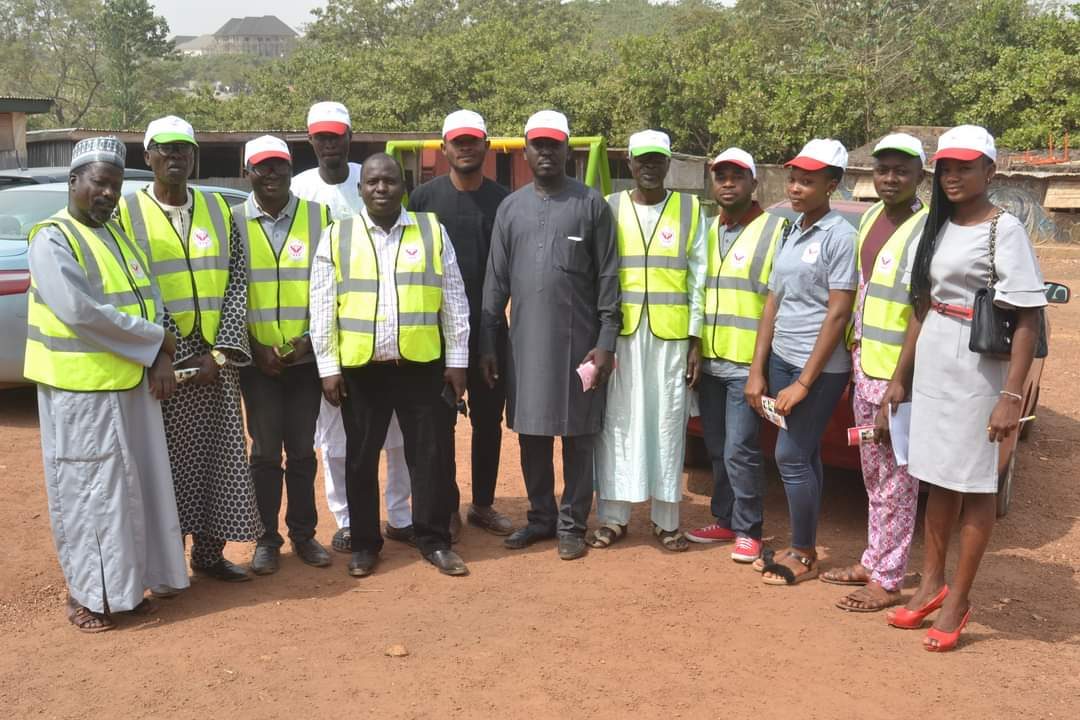
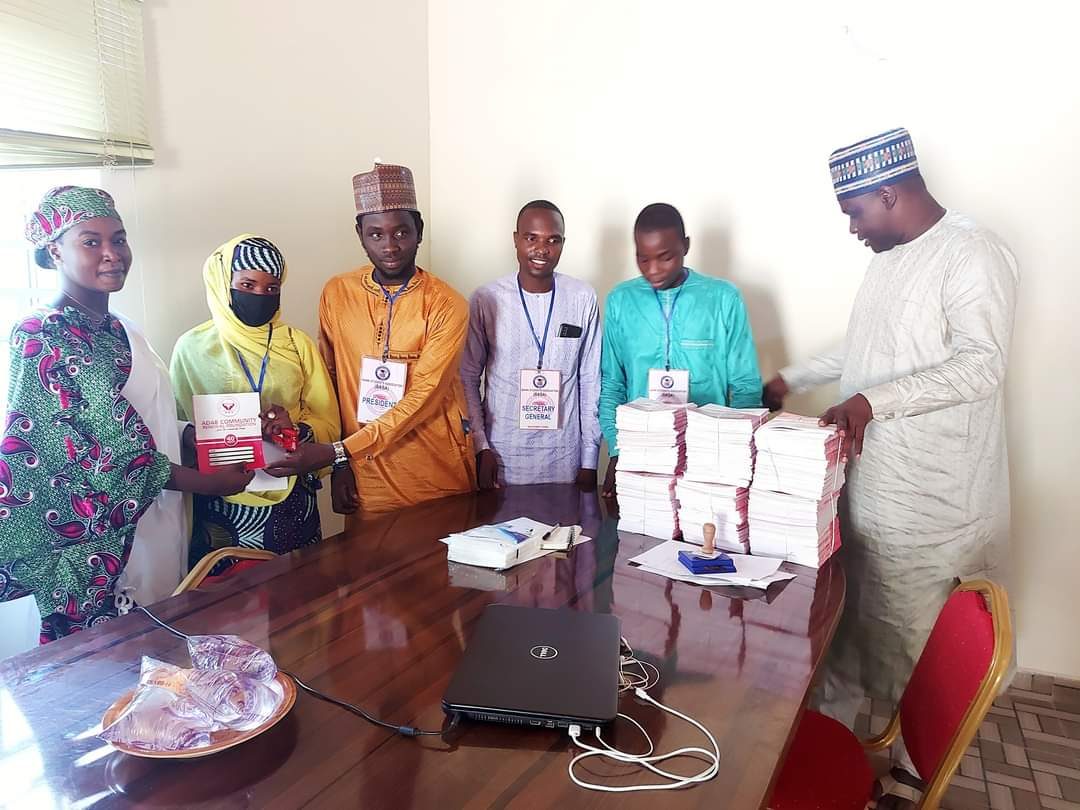
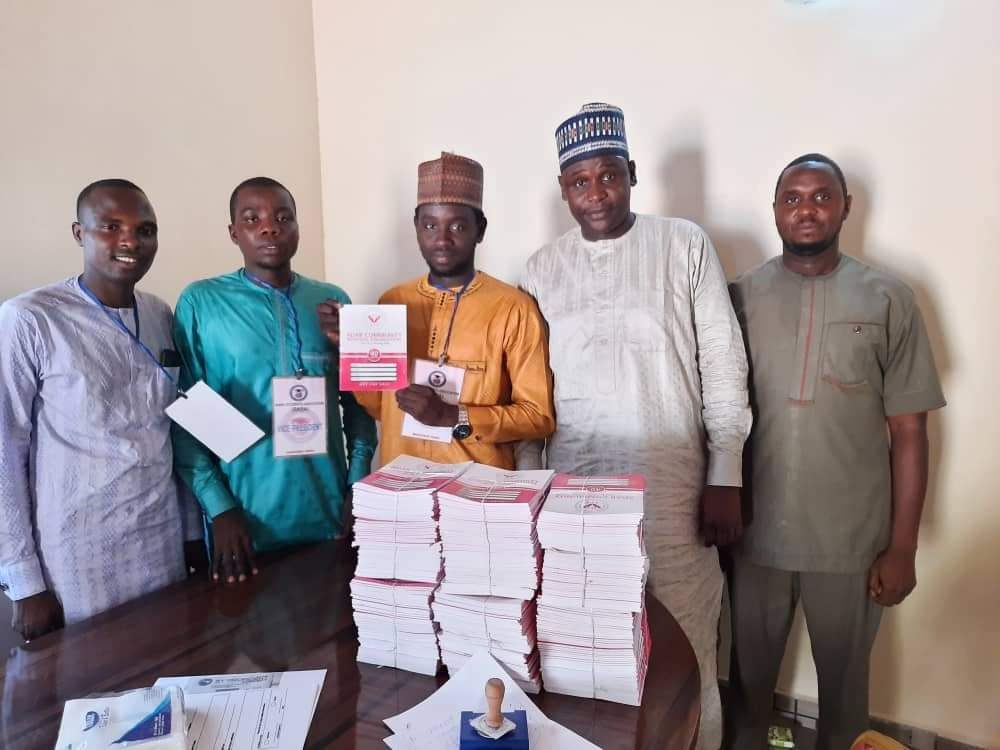
ADAB Community Renewal Foundation (ADAB Foundation) is one of the national leading peacebuilding organisations, with over 8 years of experience supporting communities and advising governments, organisations and stakeholders on how to build sustainable peace.
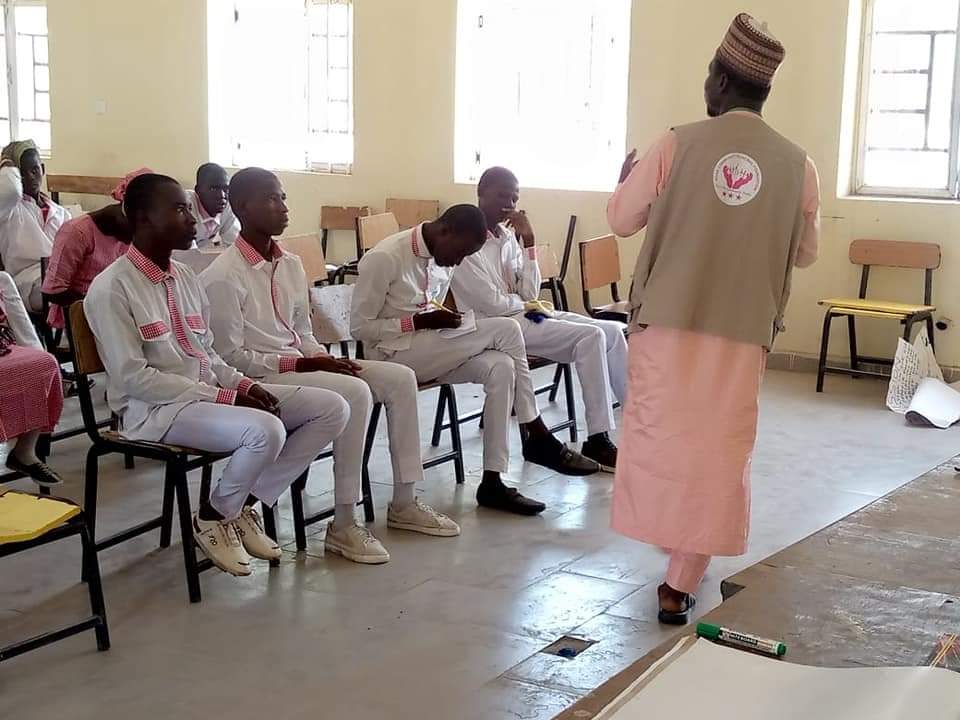
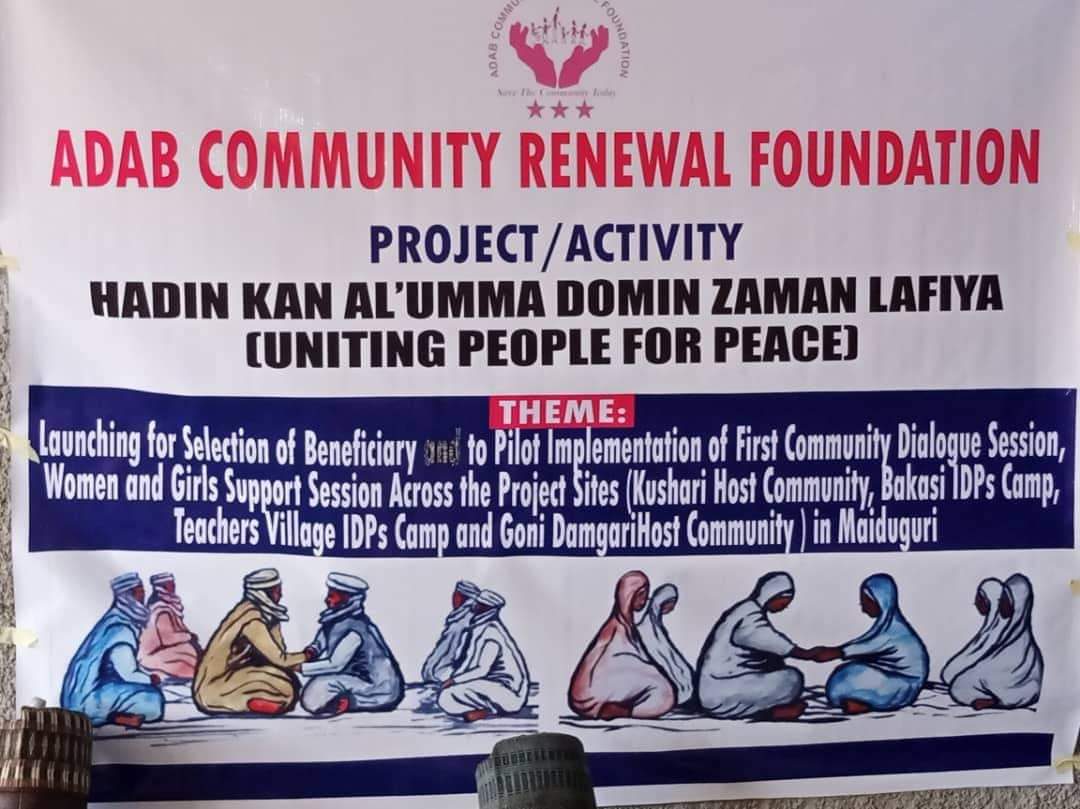
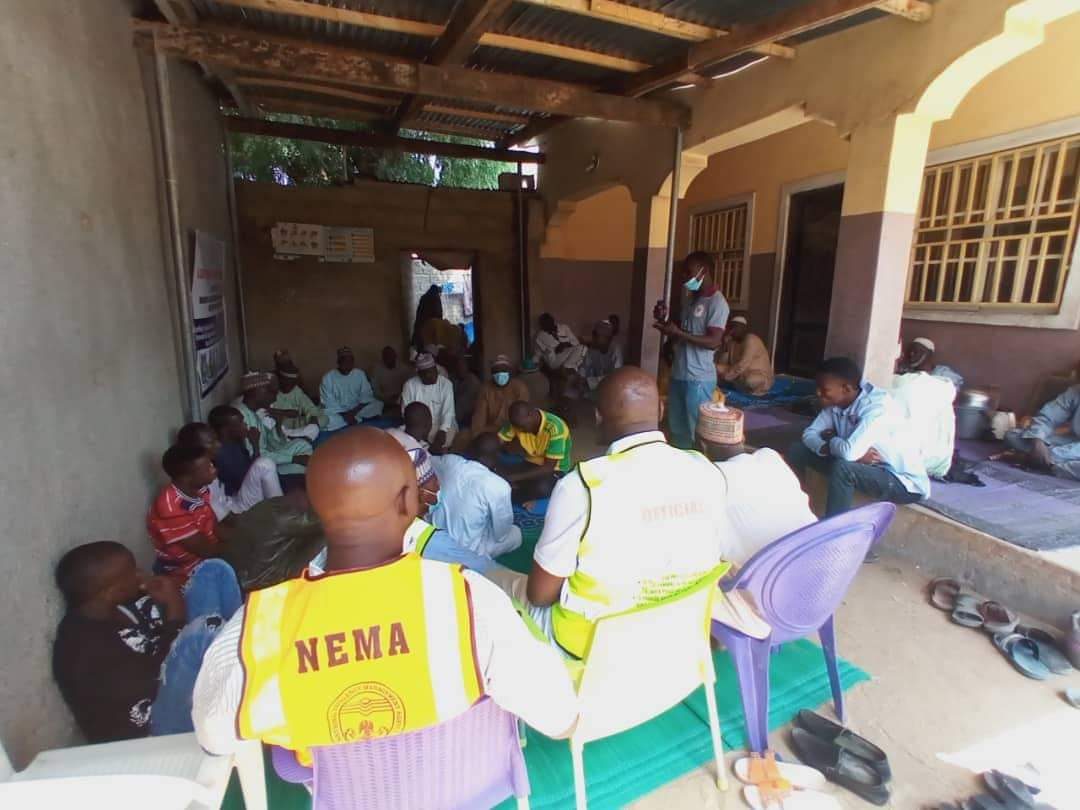
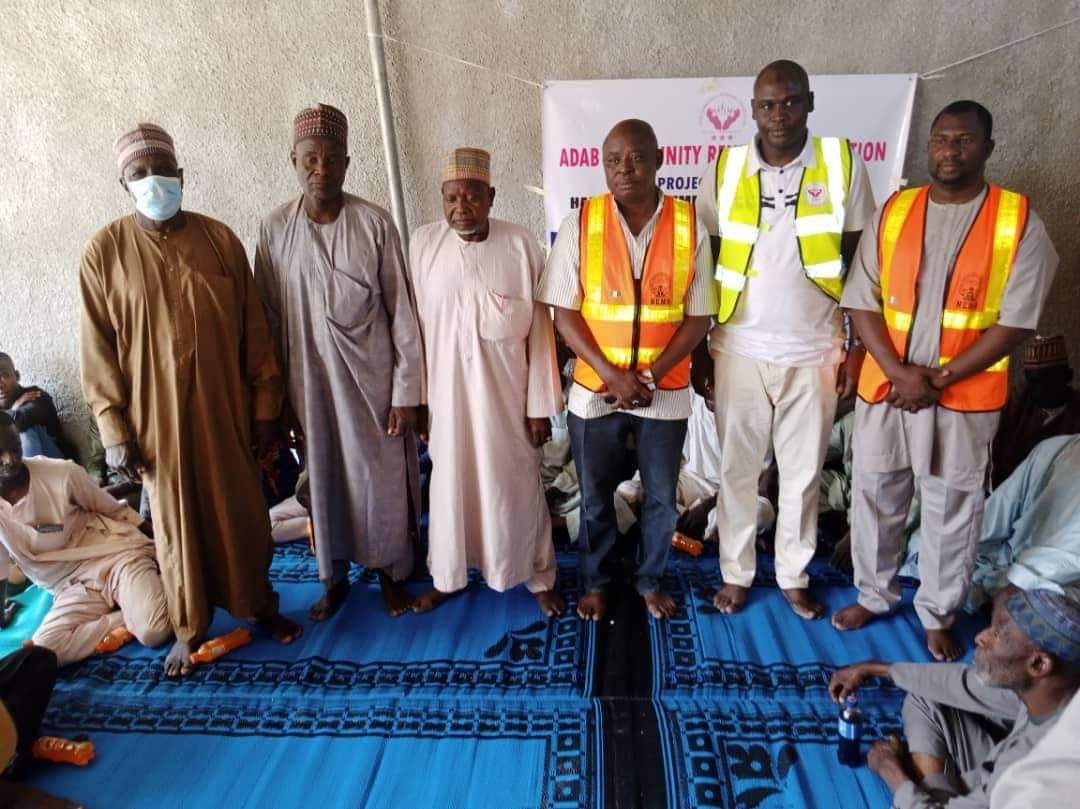
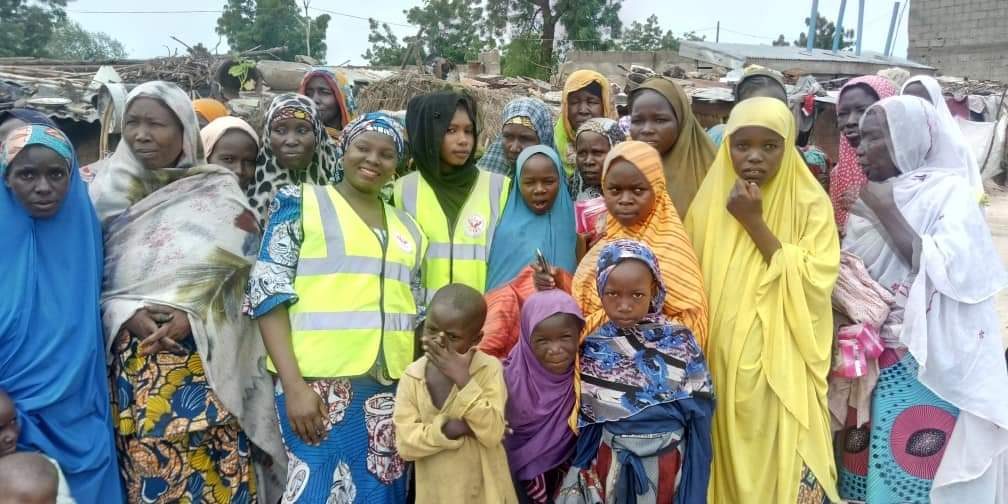
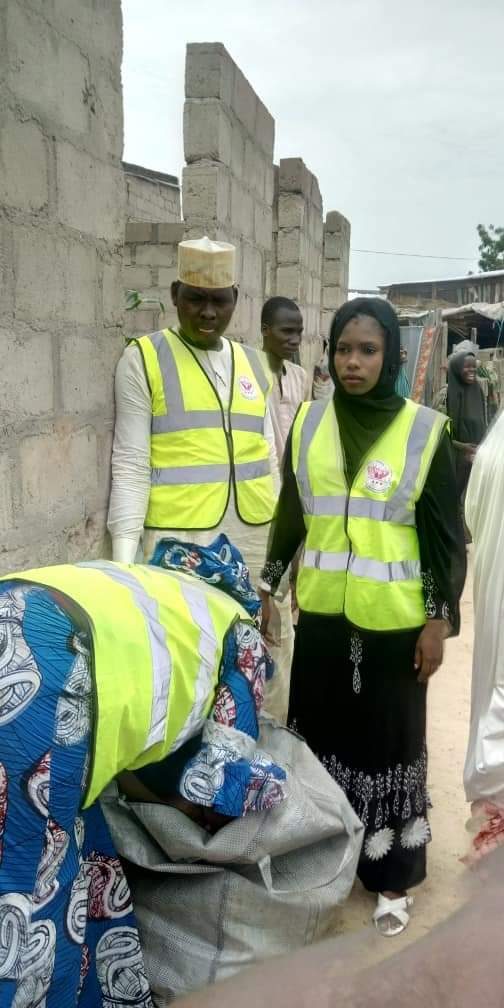
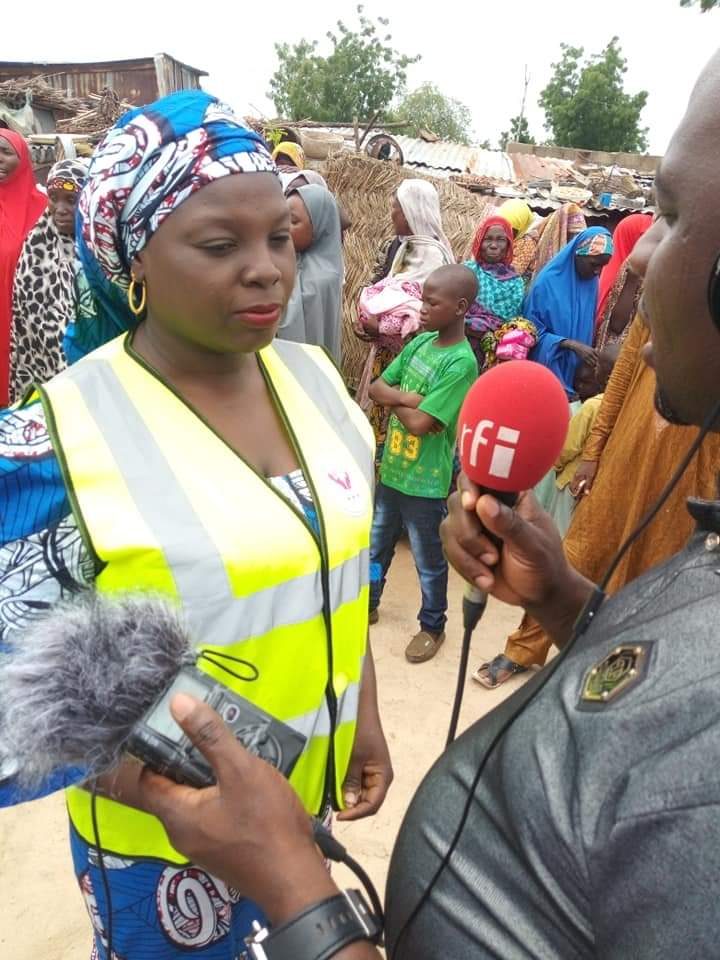
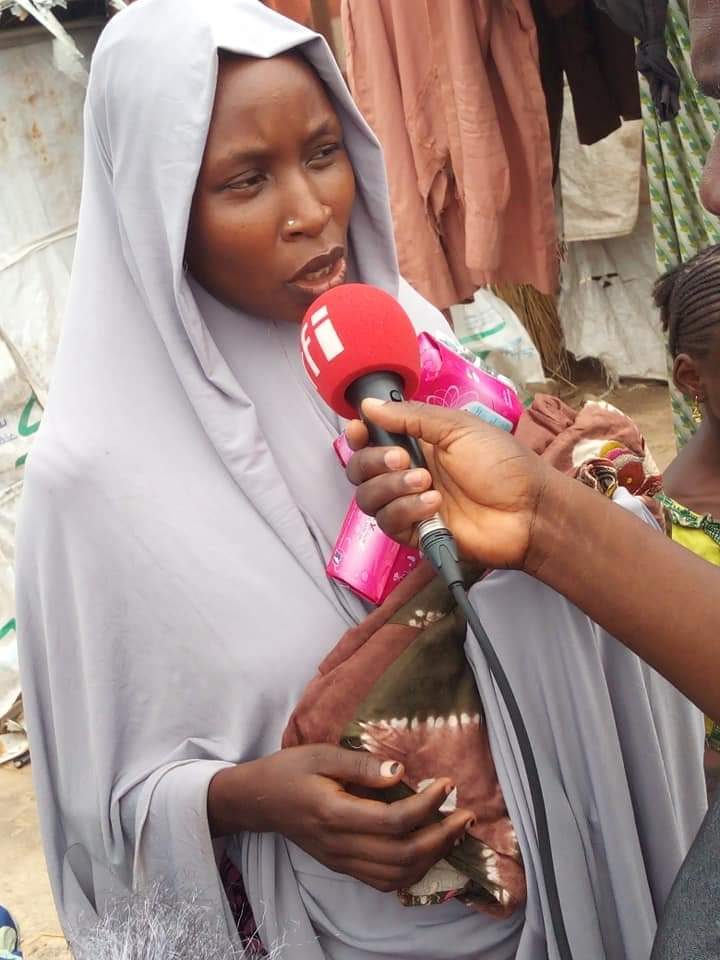
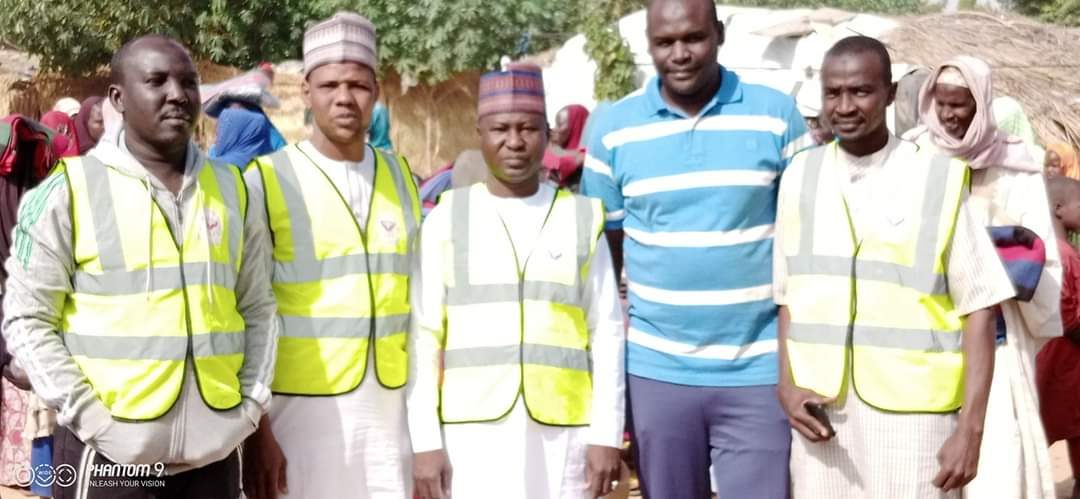
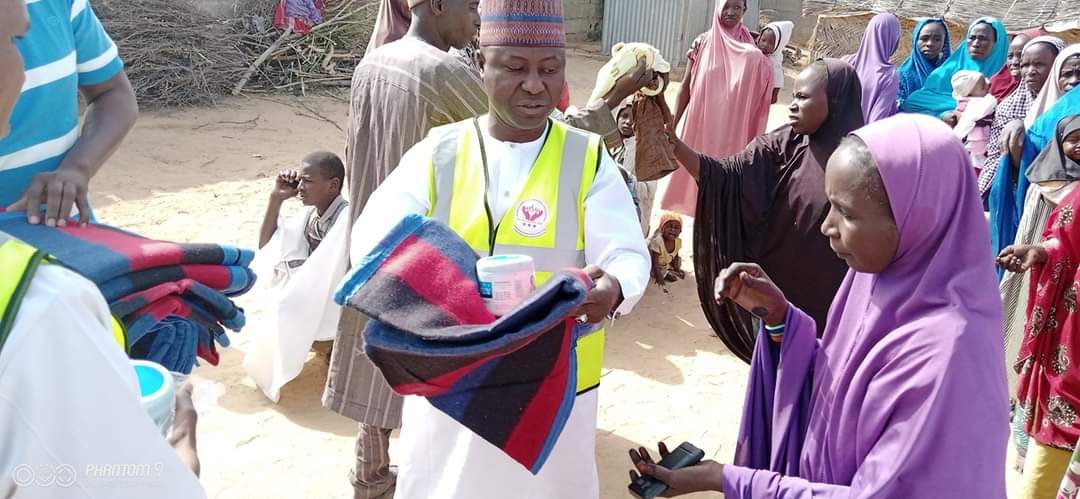
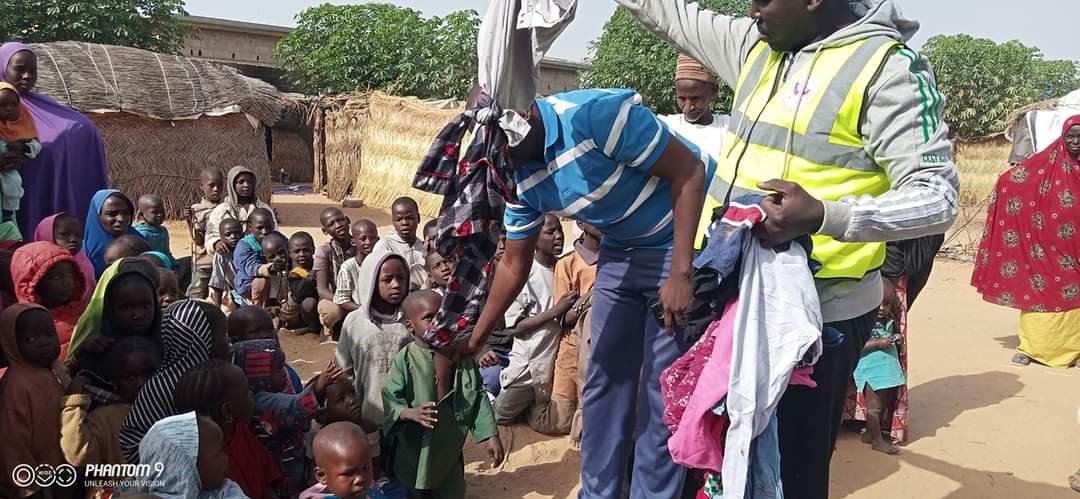
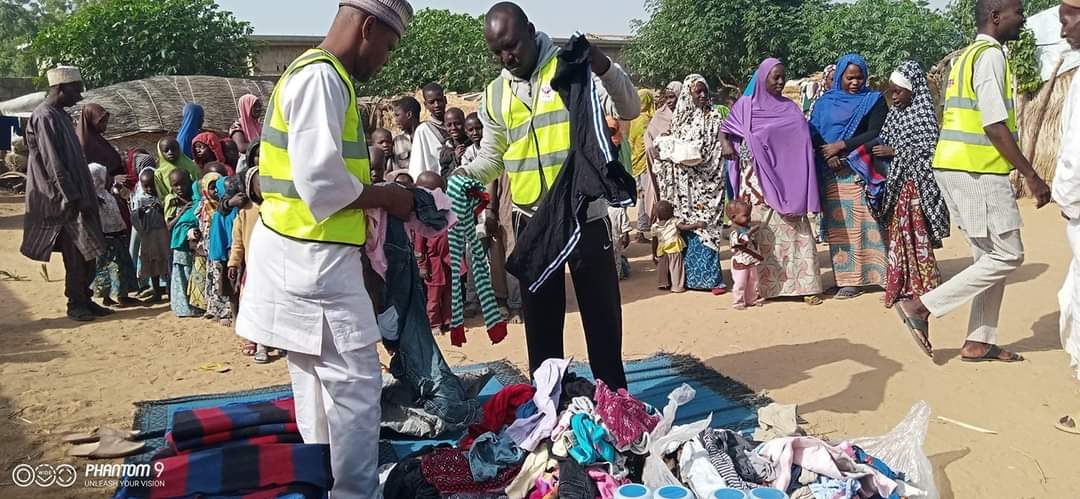
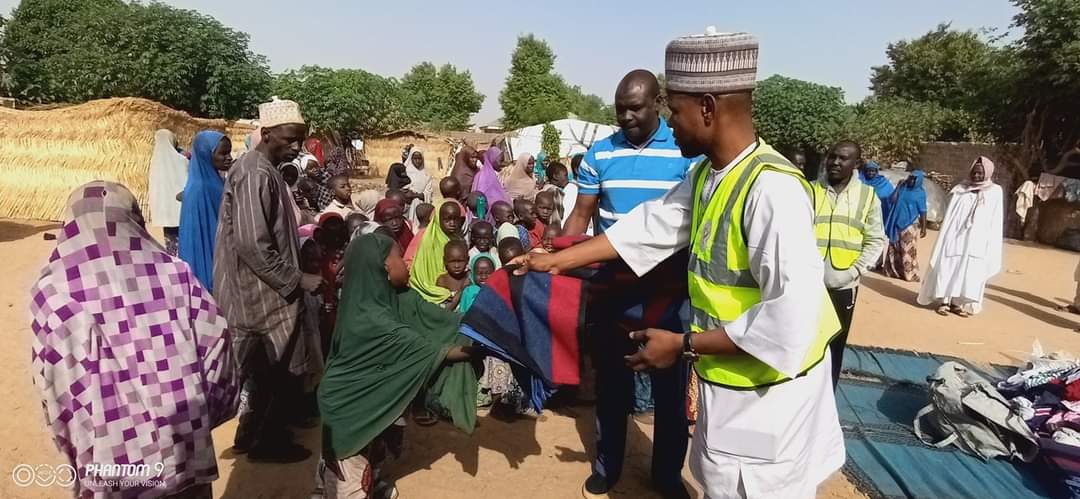
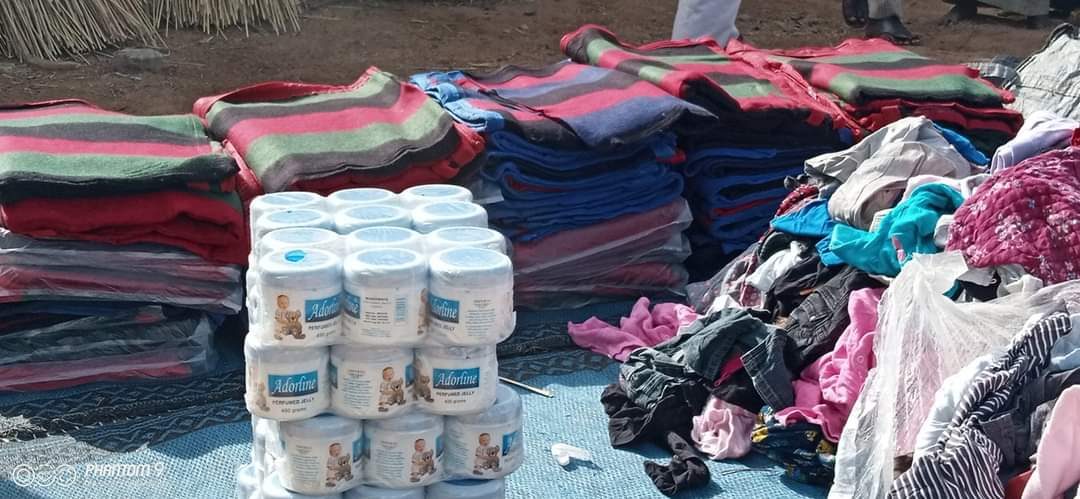
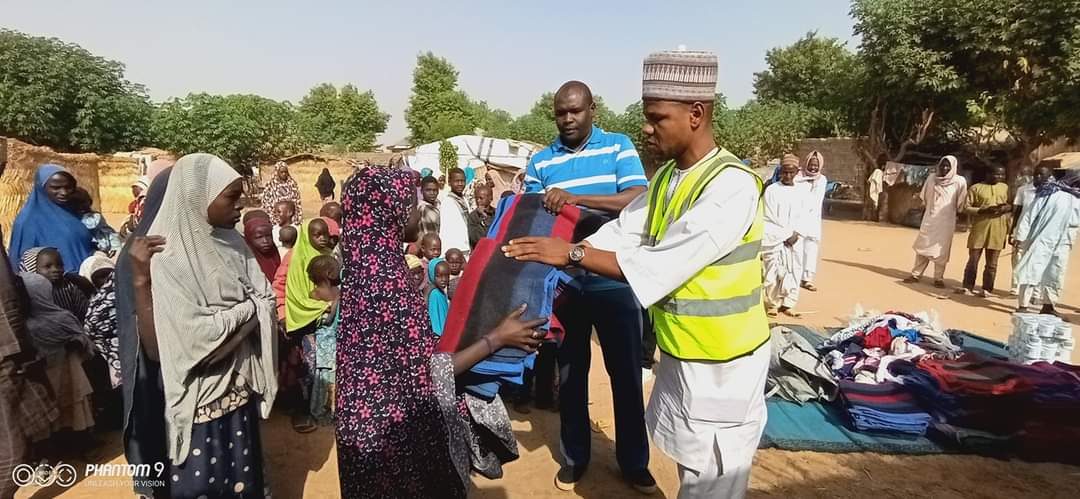
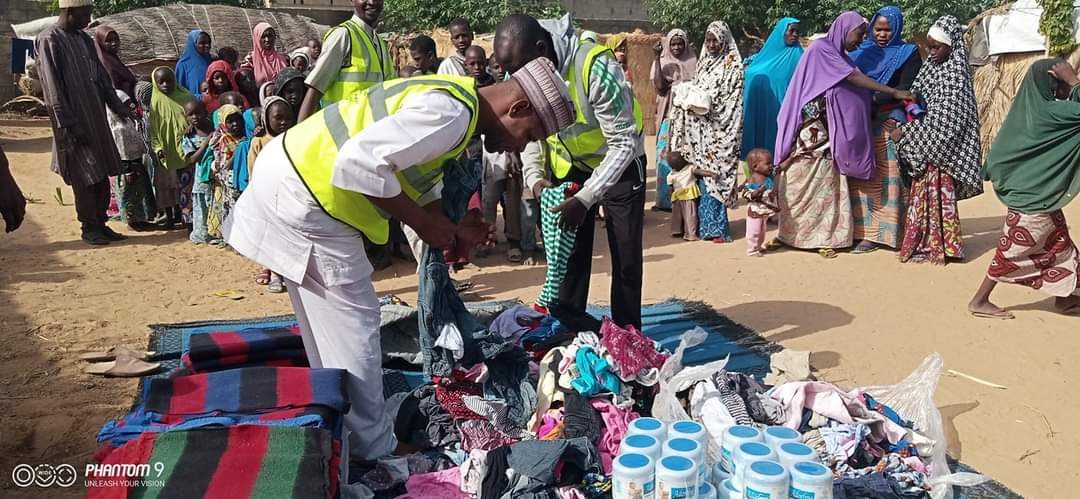
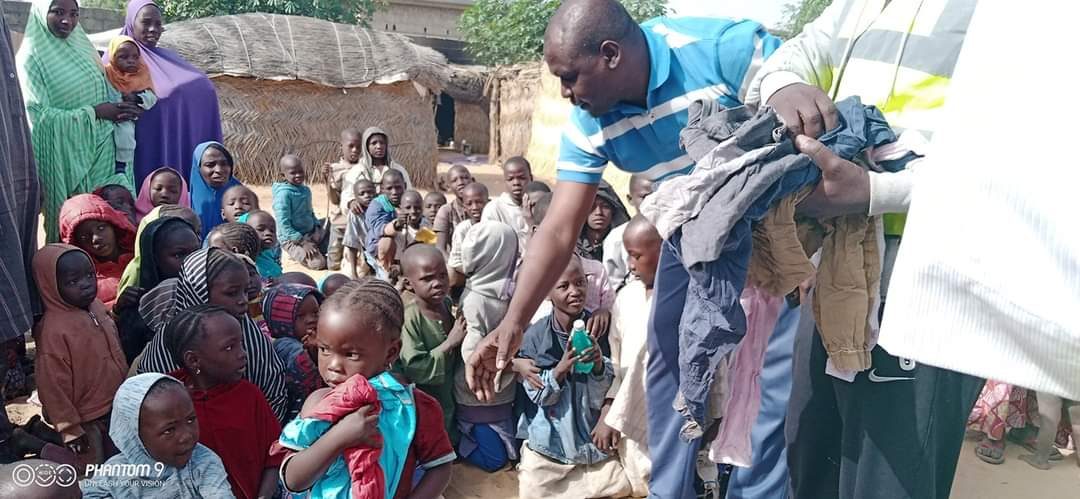
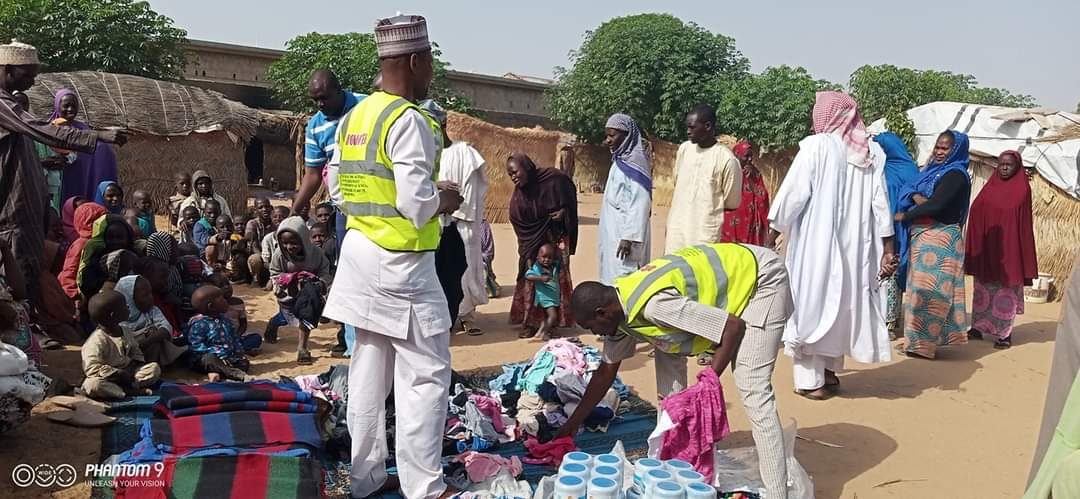
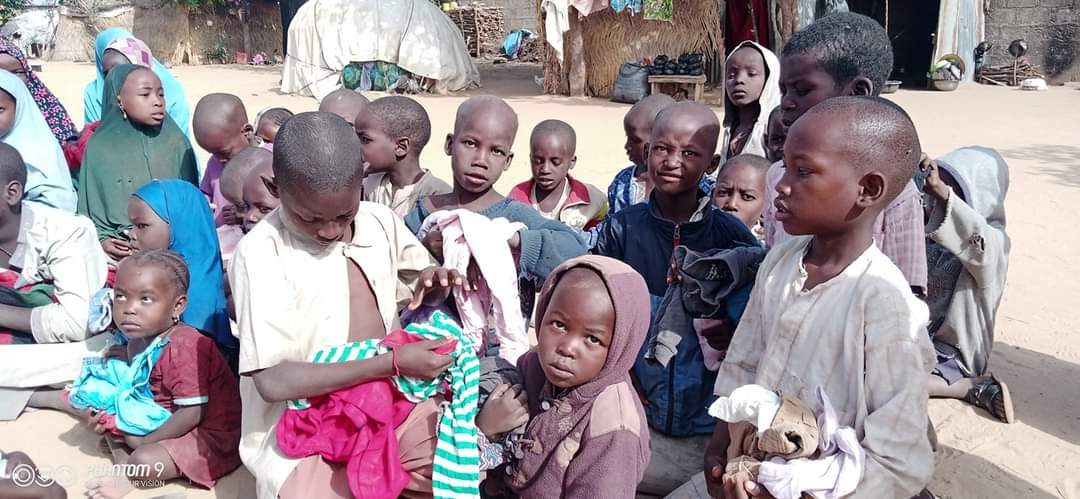
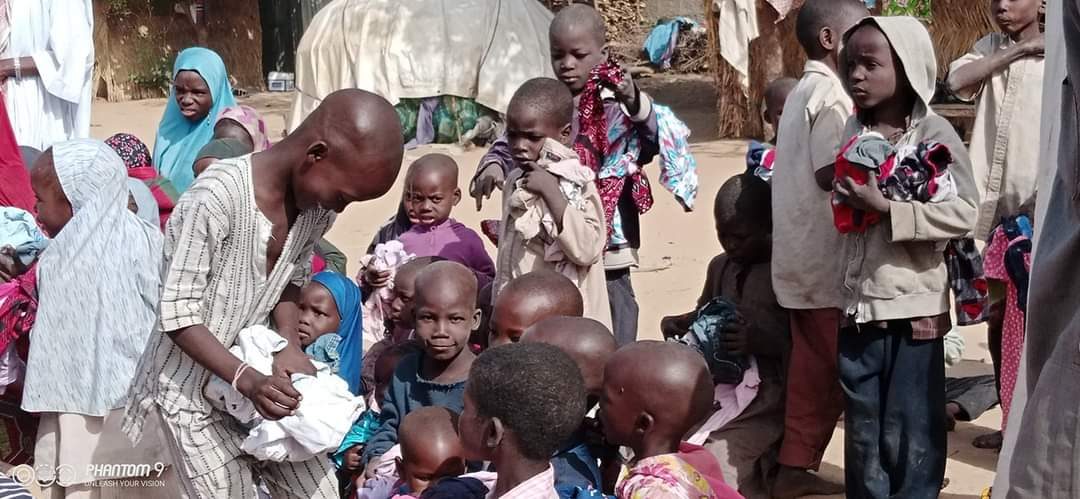
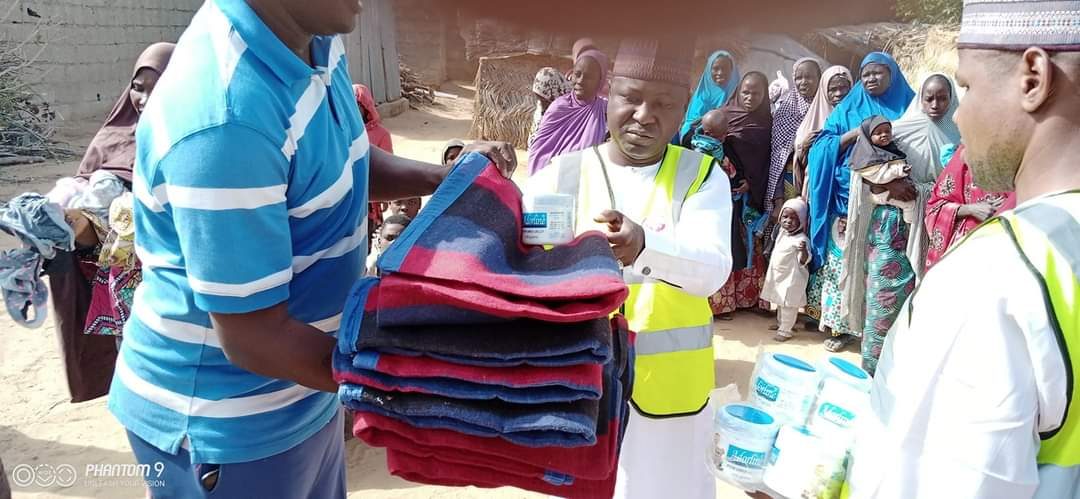
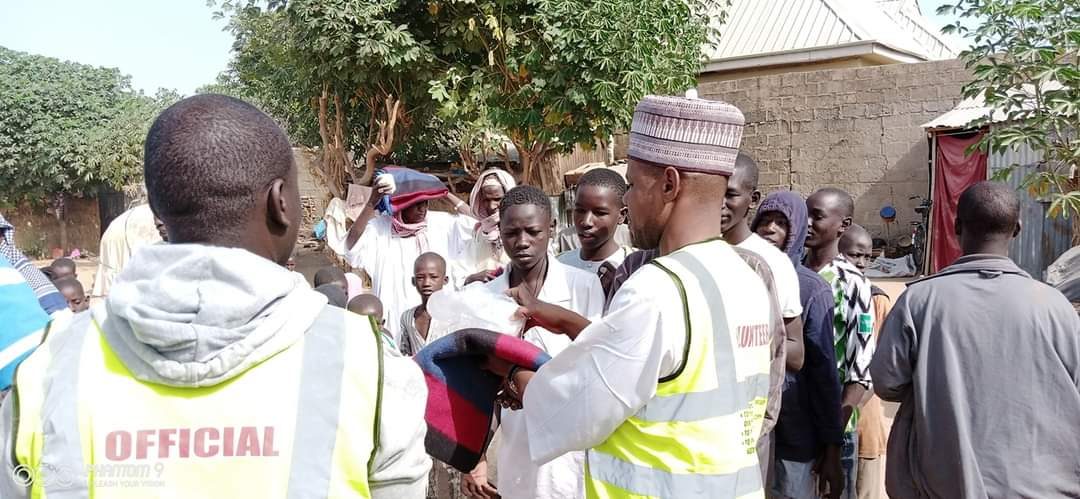
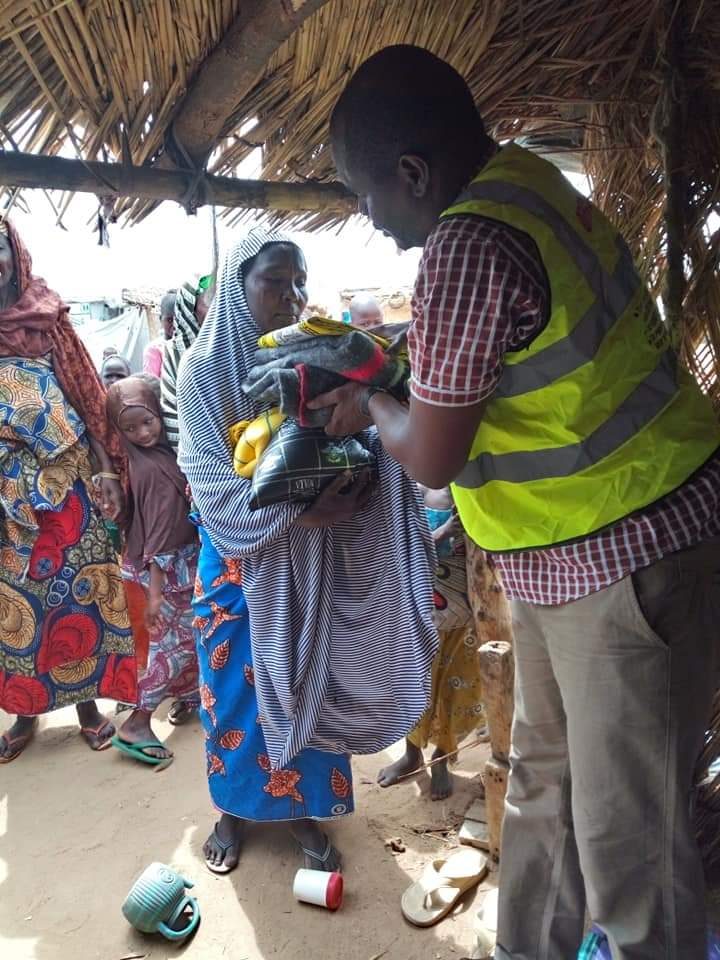
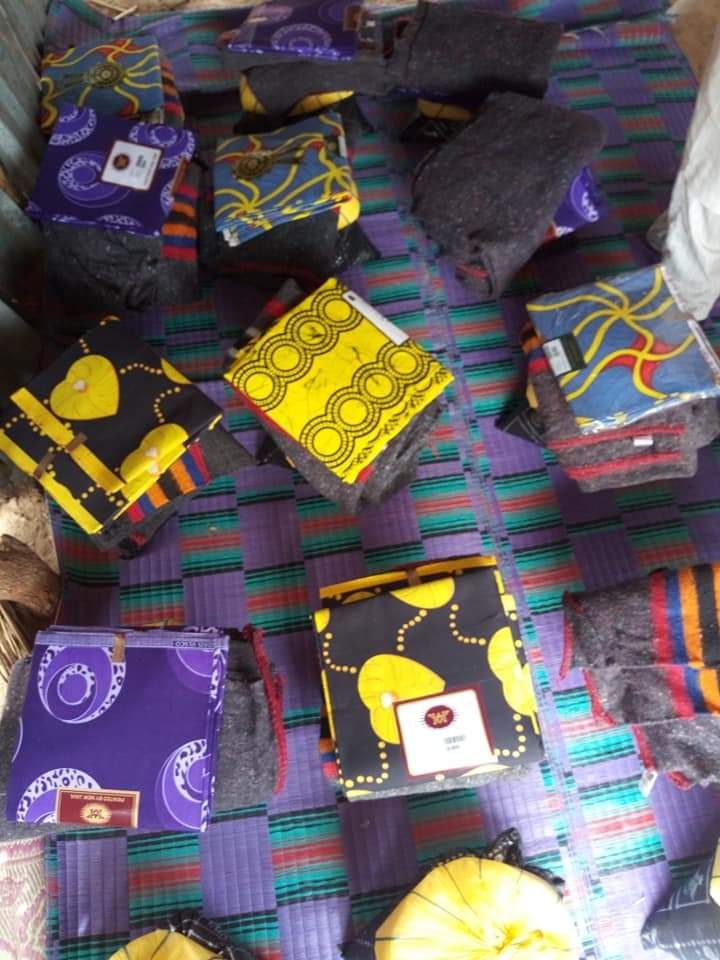
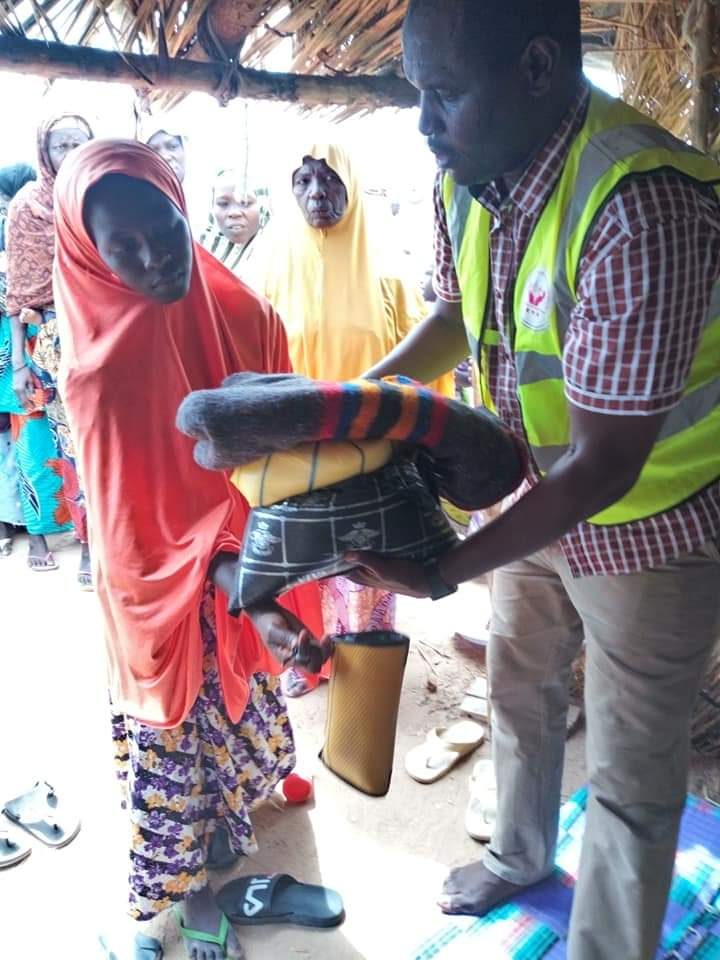
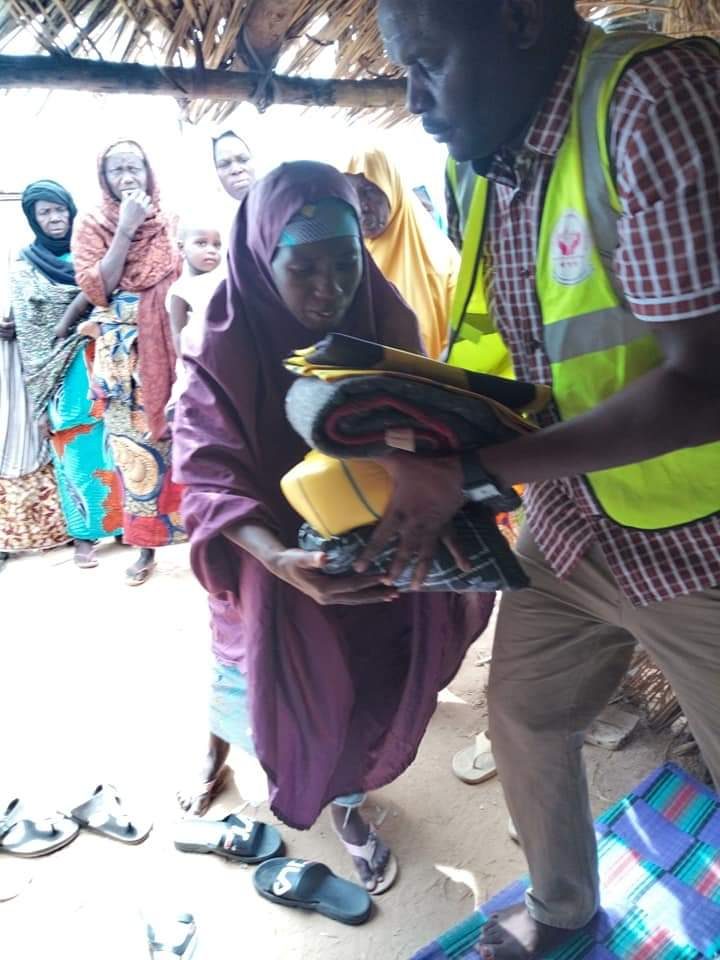
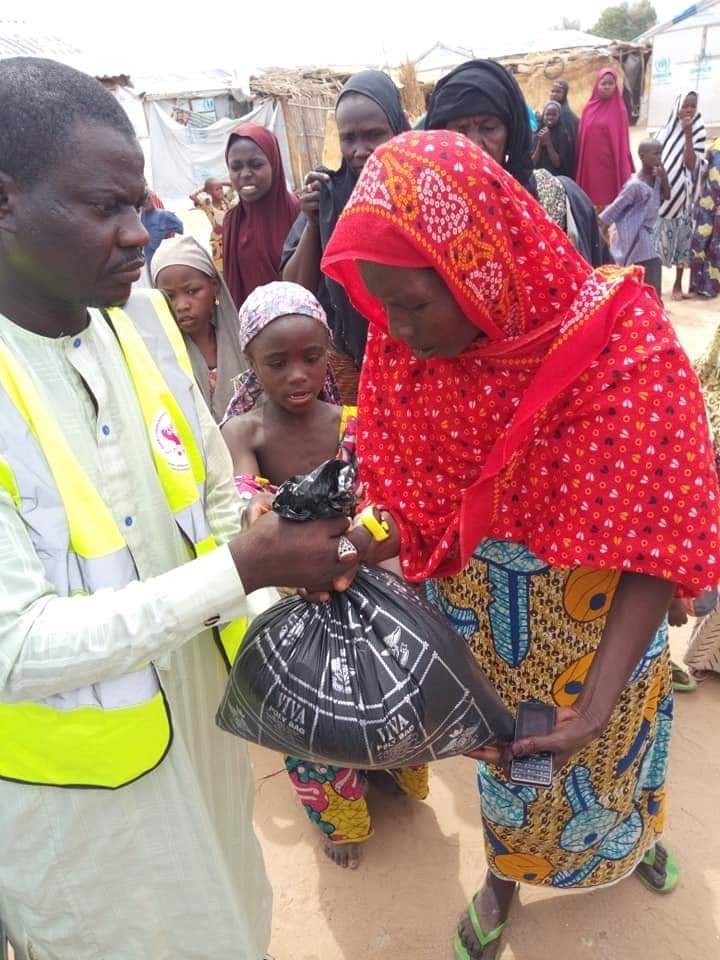
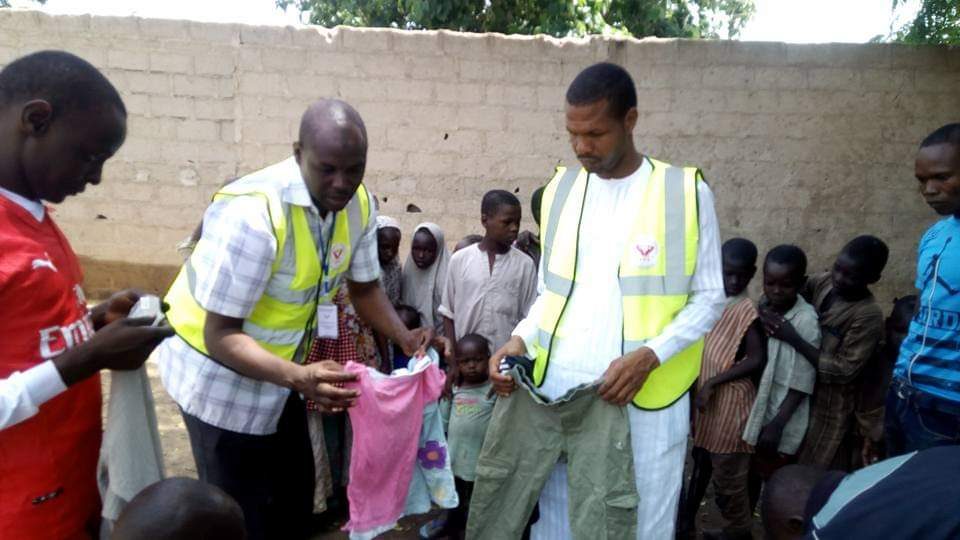
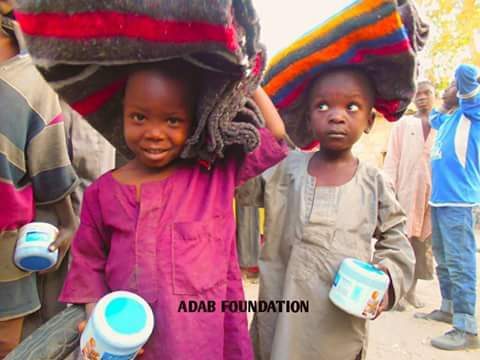
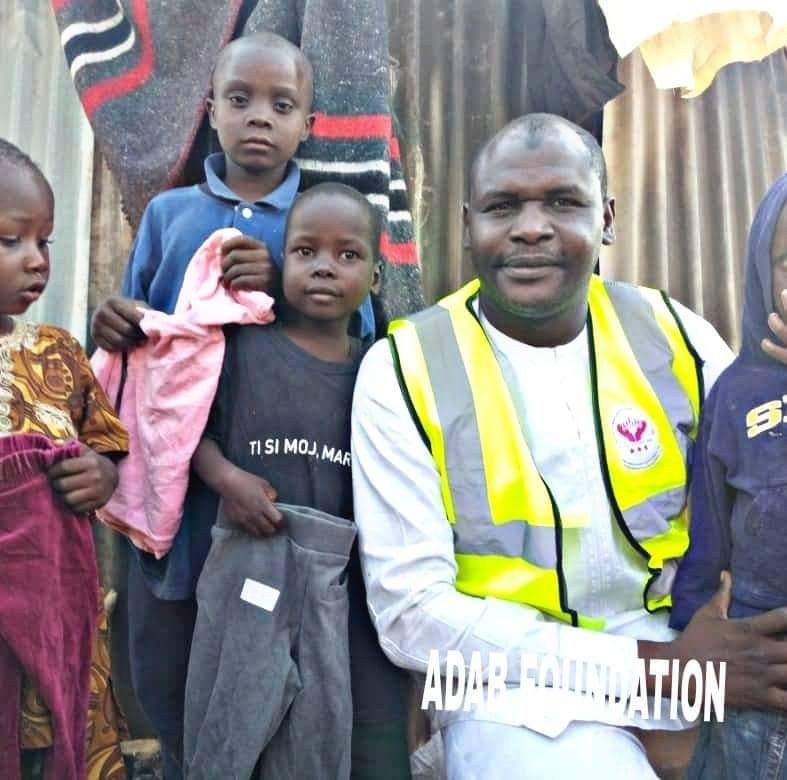
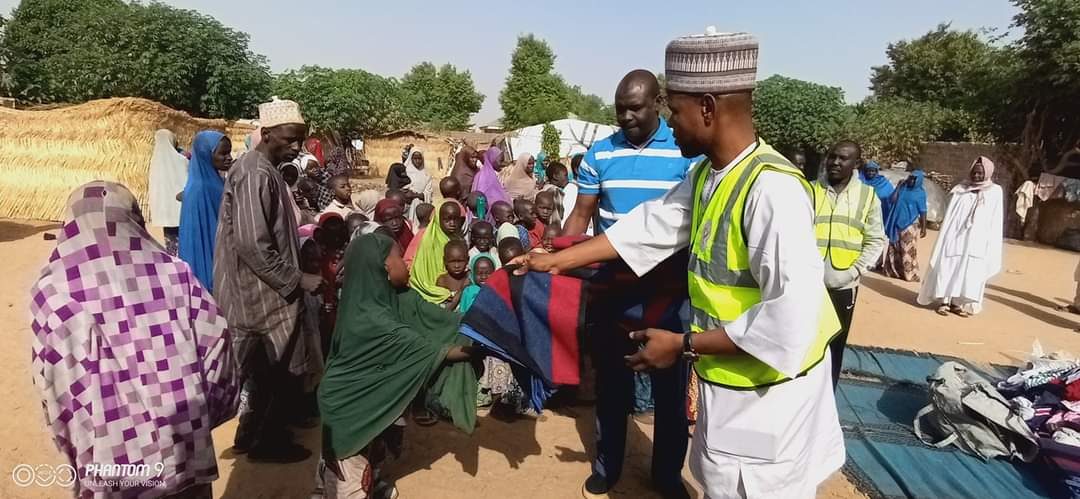
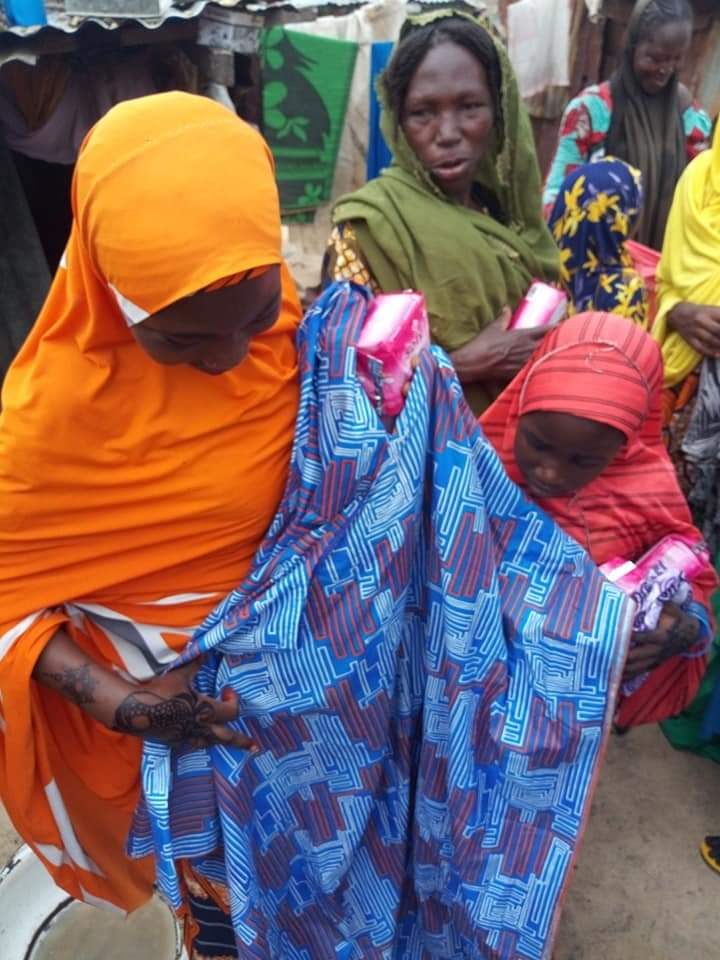
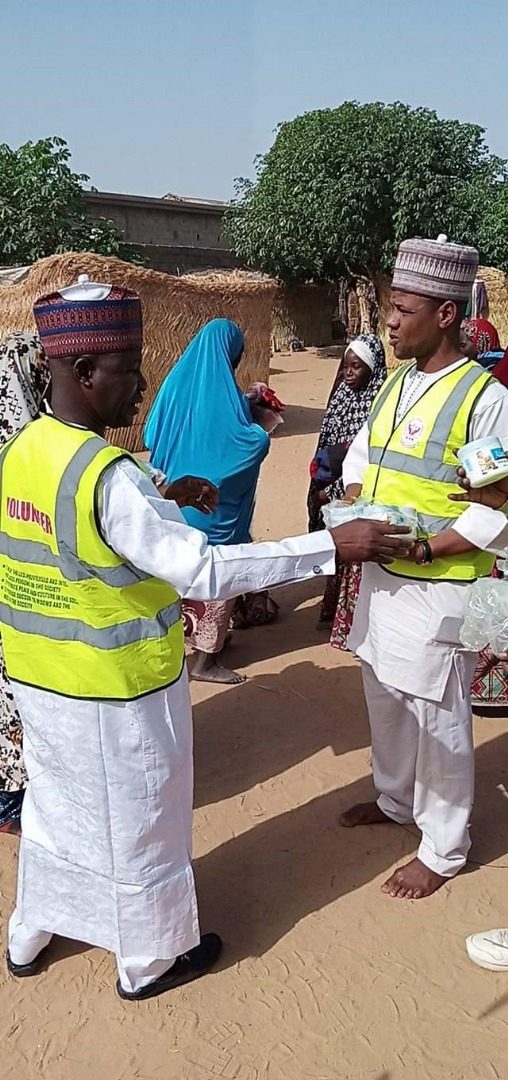
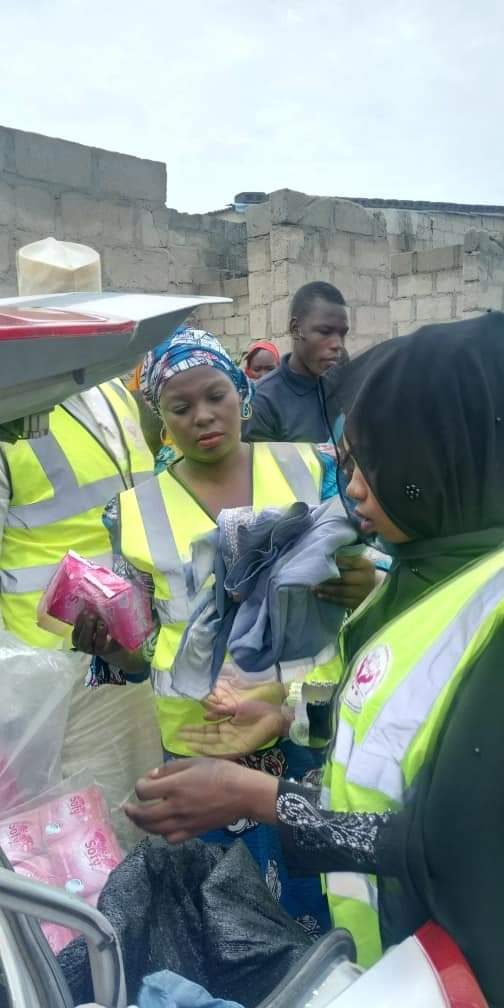
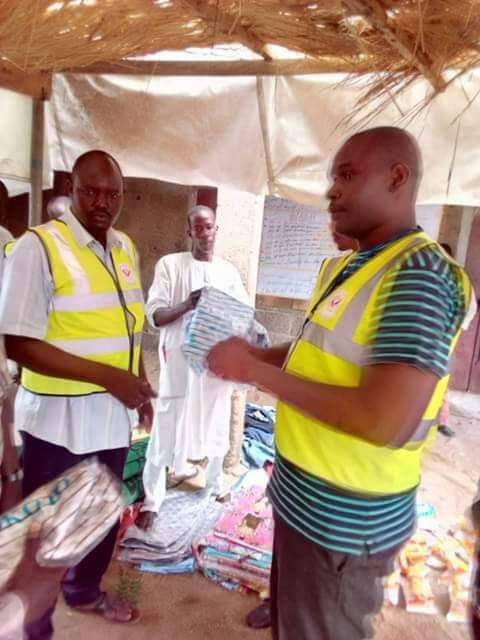
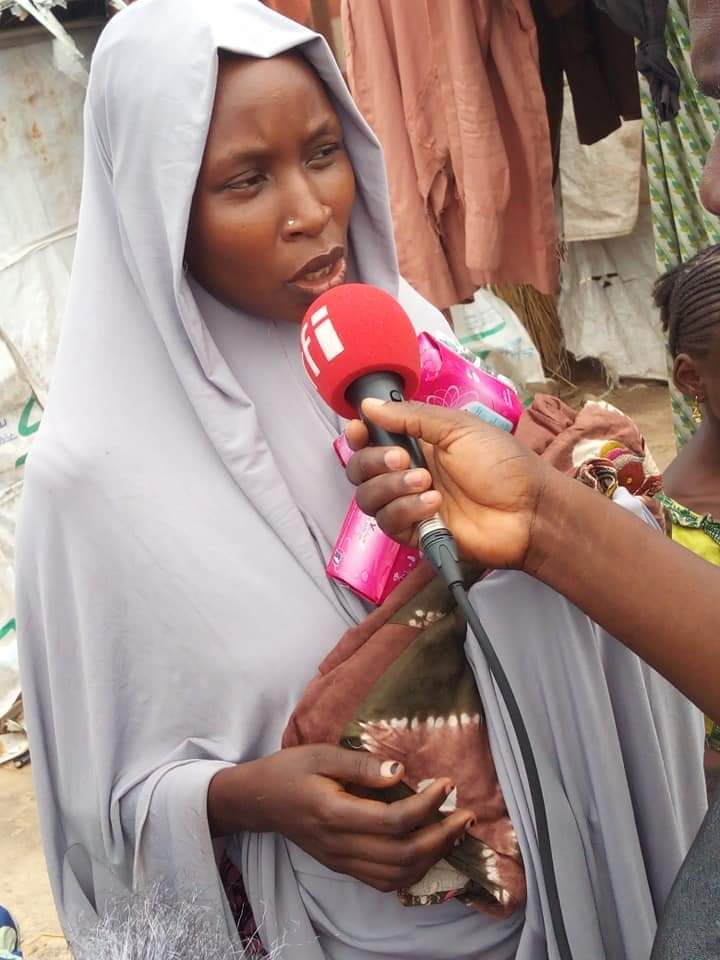
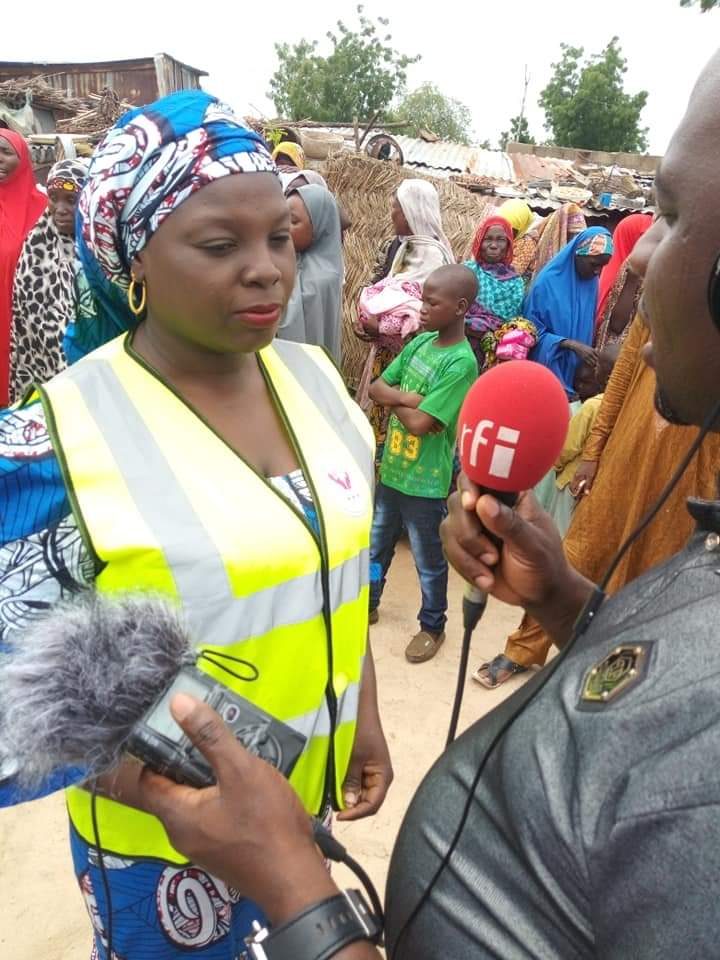
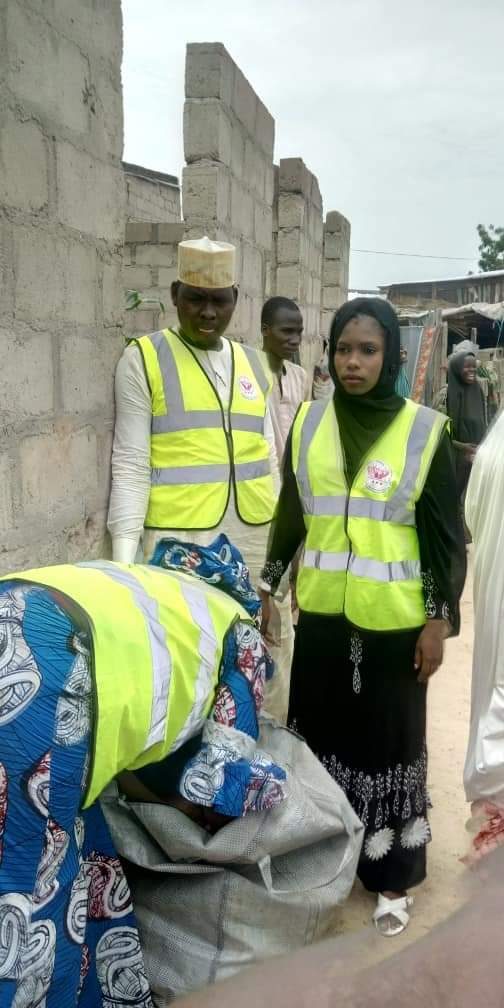
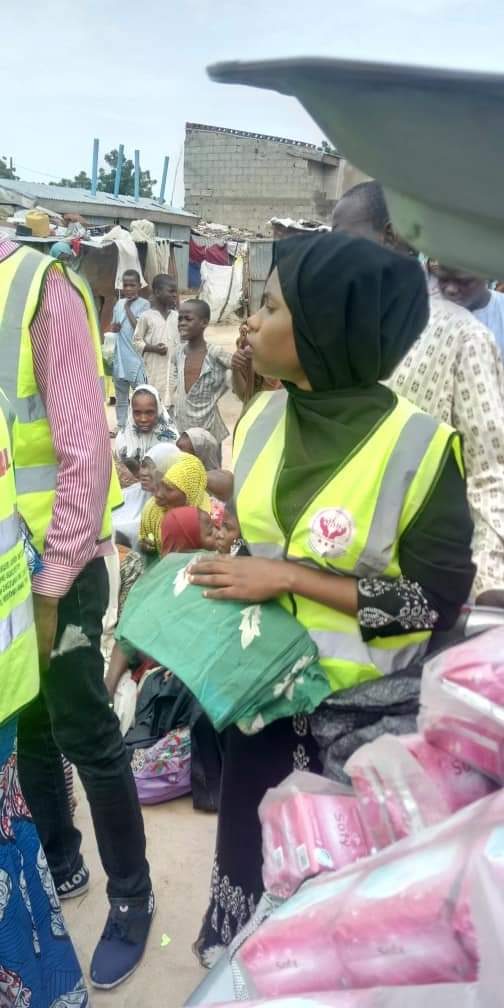
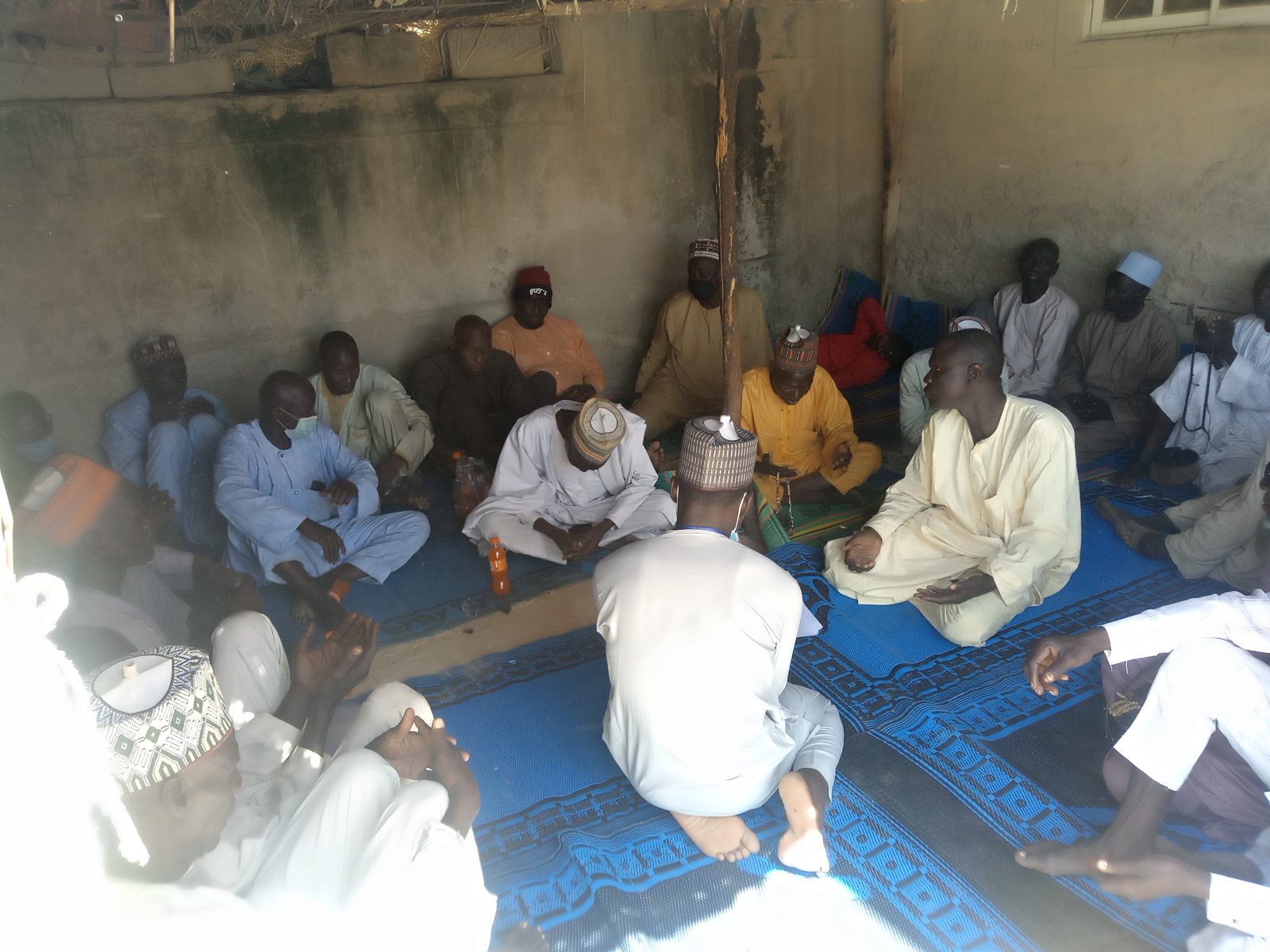
We work with people directly affected by armed conflict to build lasting peace. We focus on the root causes of conflict by bringing people together to dialogue, reconcile and provide humanitarian support in the North-East of Nigeria.
Each aligned with the Humanitarian–Development–Peace Nexus and the UN Sustainable Development Goals.
Conflict prevention, social cohesion, and addressing the push and pull factors that lead young people to join extremist groups.
Advocating for children and adults under a strict Do No Harm approach, with zero tolerance for sexual exploitation and abuse (PSEA) and adherence to accountability to affected people (AAP).
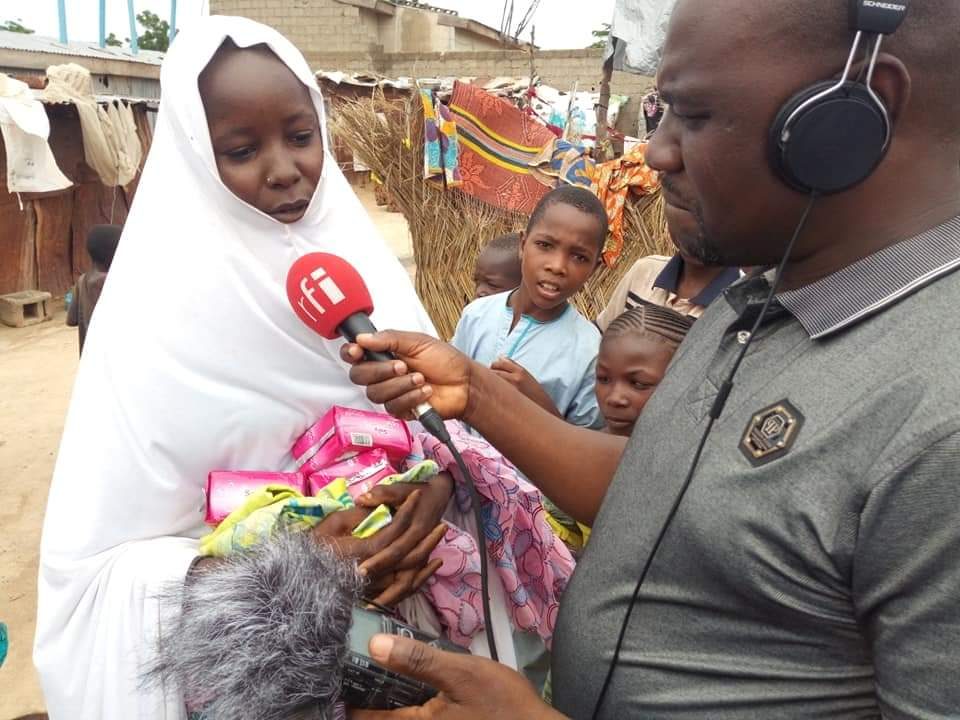
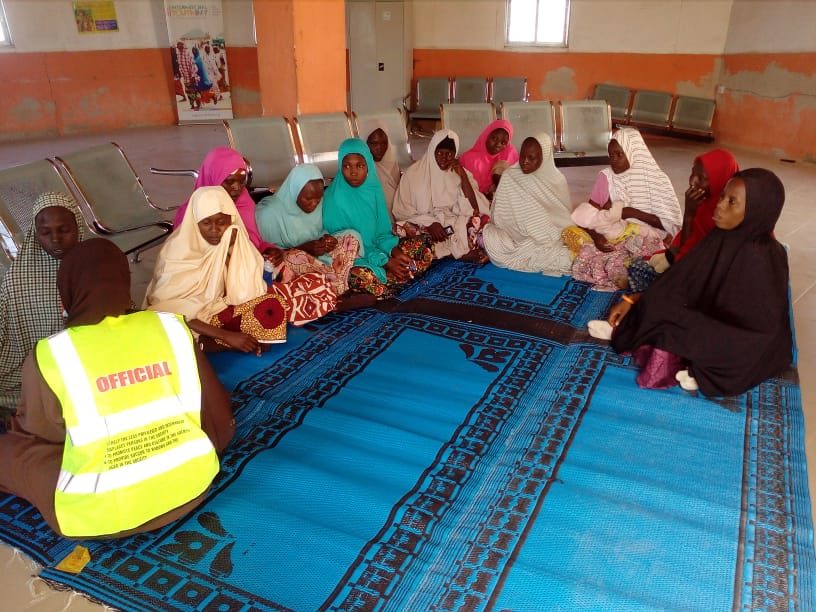
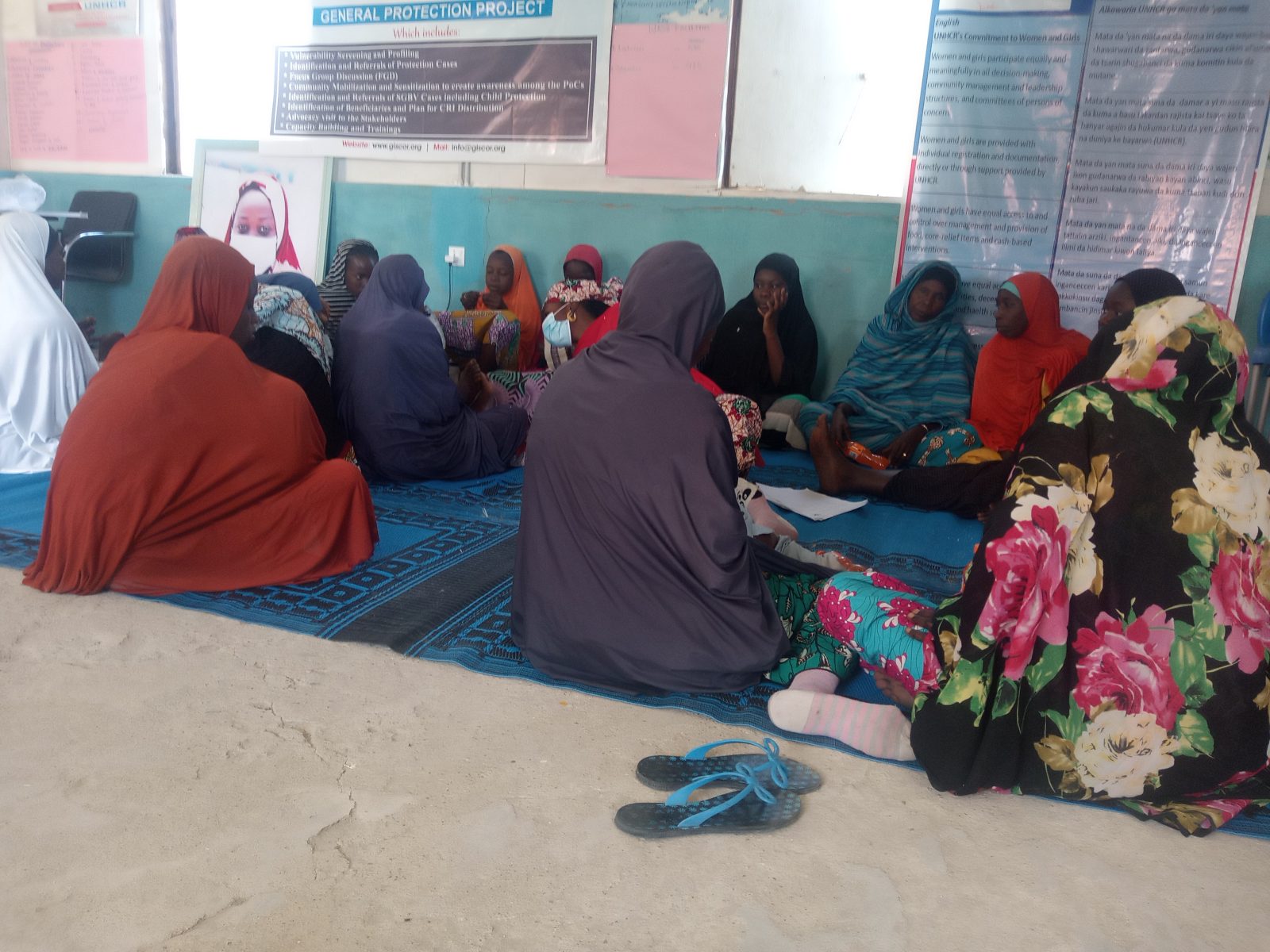
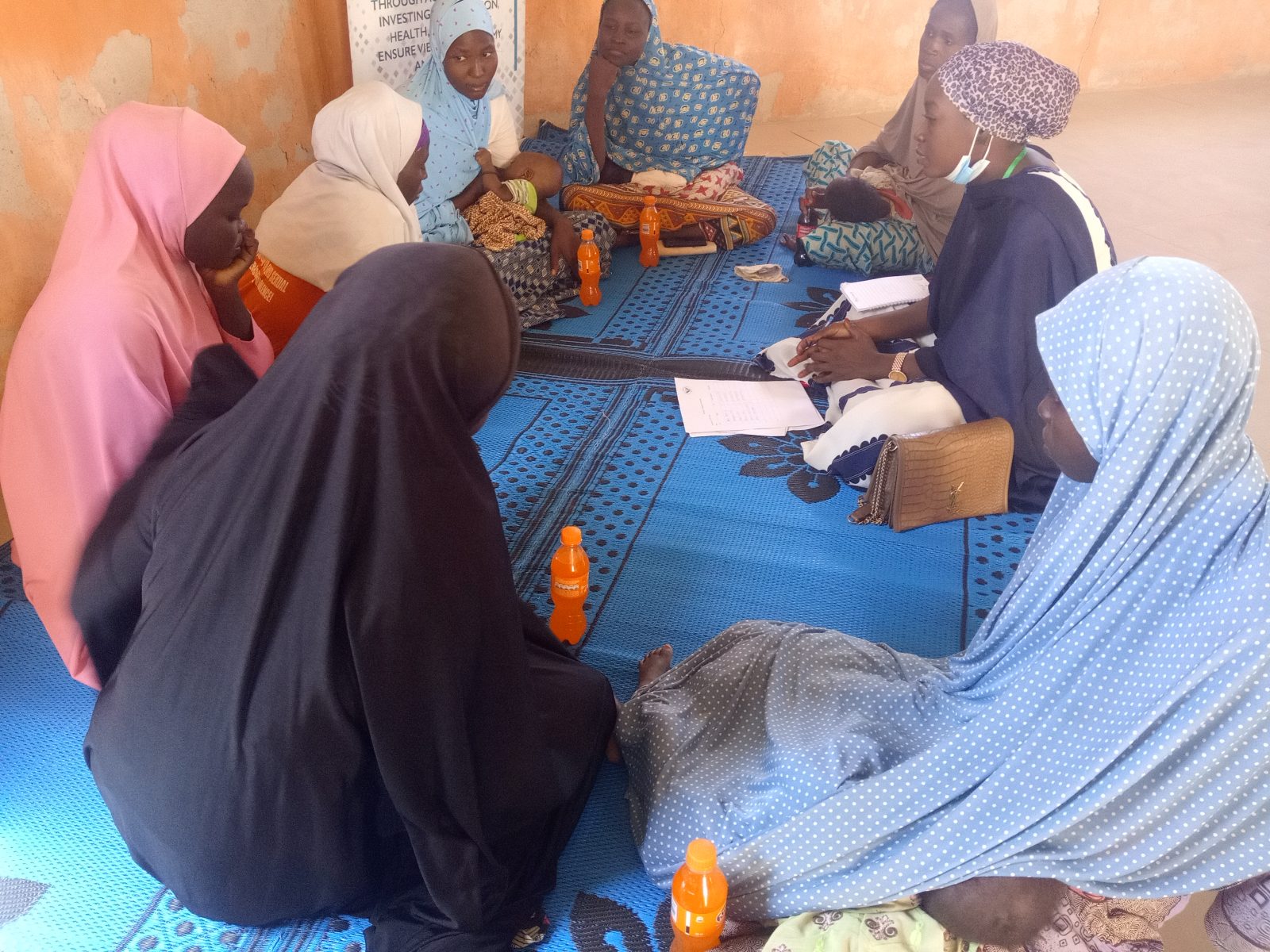
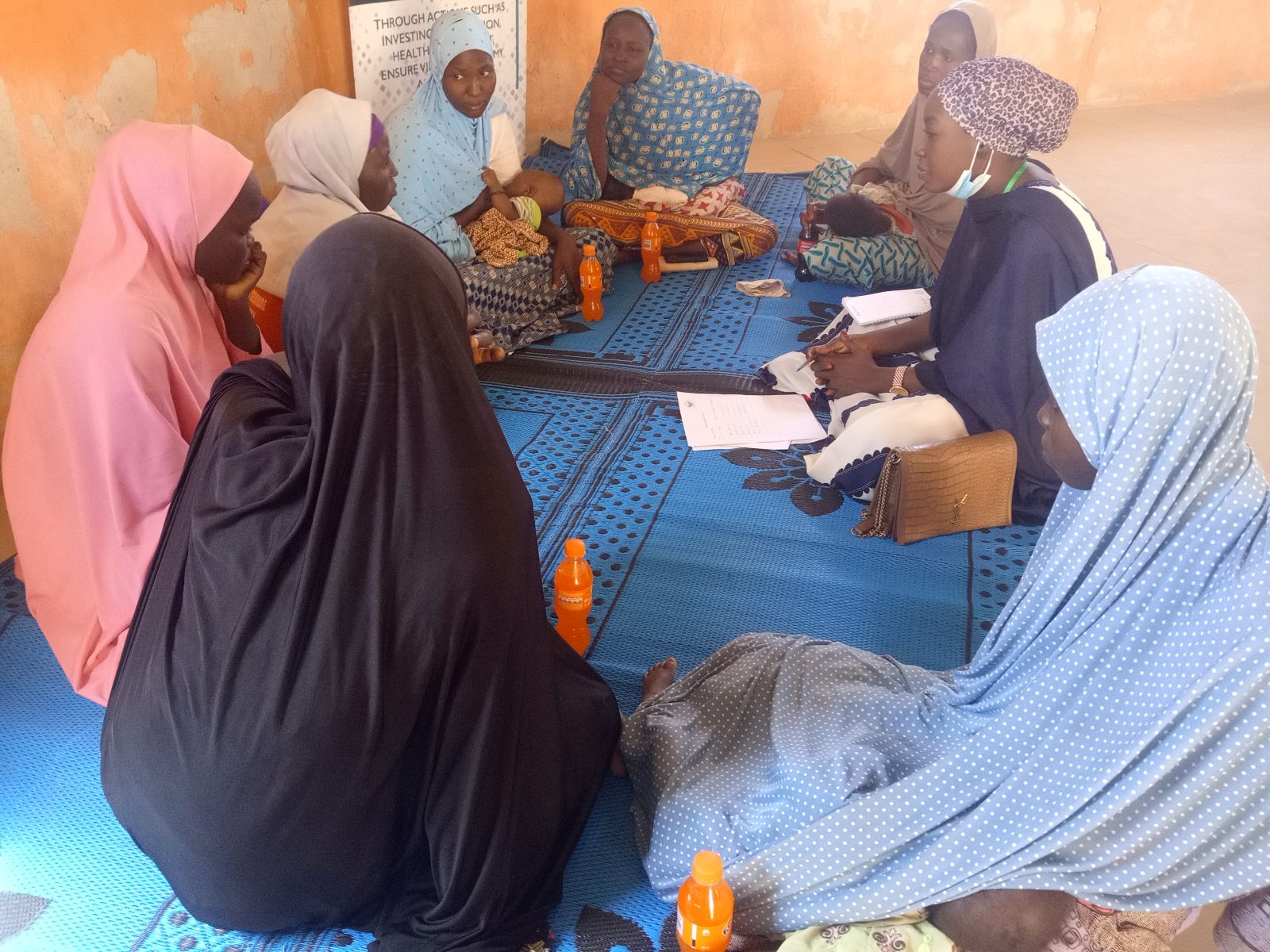
Tackling GBV through community engagement, psychosocial support, case management and economic empowerment.
Empowering caregivers to prevent abuse, and supporting the community reintegration of children associated with armed conflict.
Community-based structured recreational, creative and social activities that help people regain normalcy and reduce post-traumatic stress.
Advocacy for community renewal through tree planting, nurturing and environmental awareness.
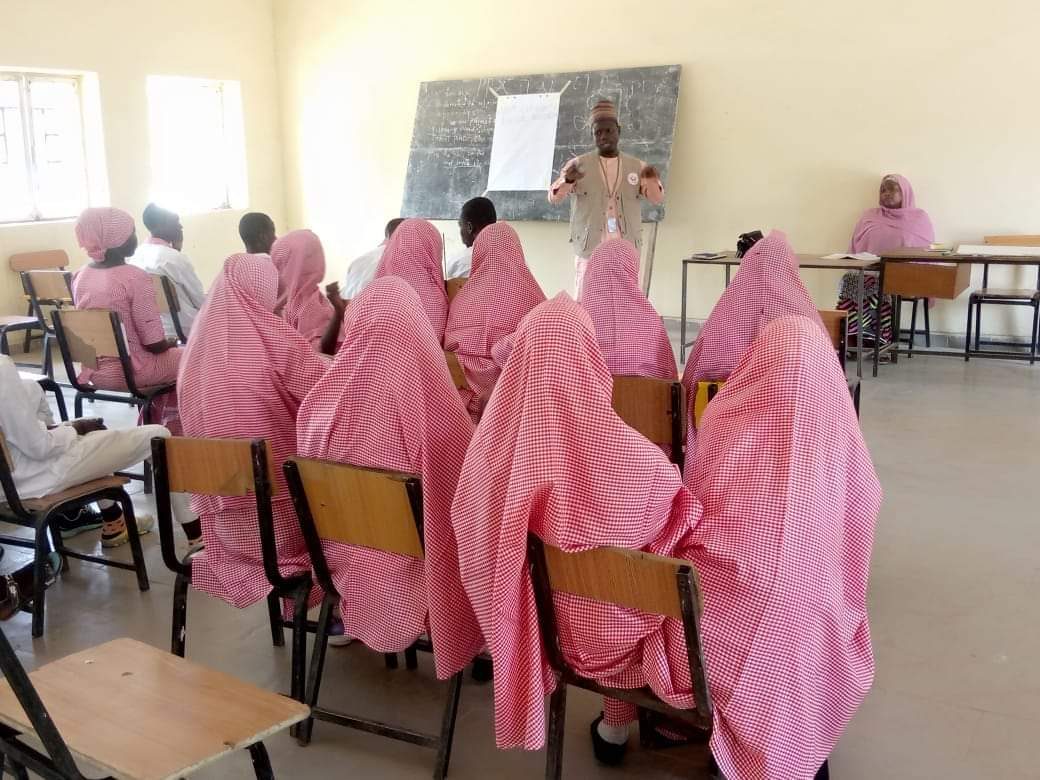
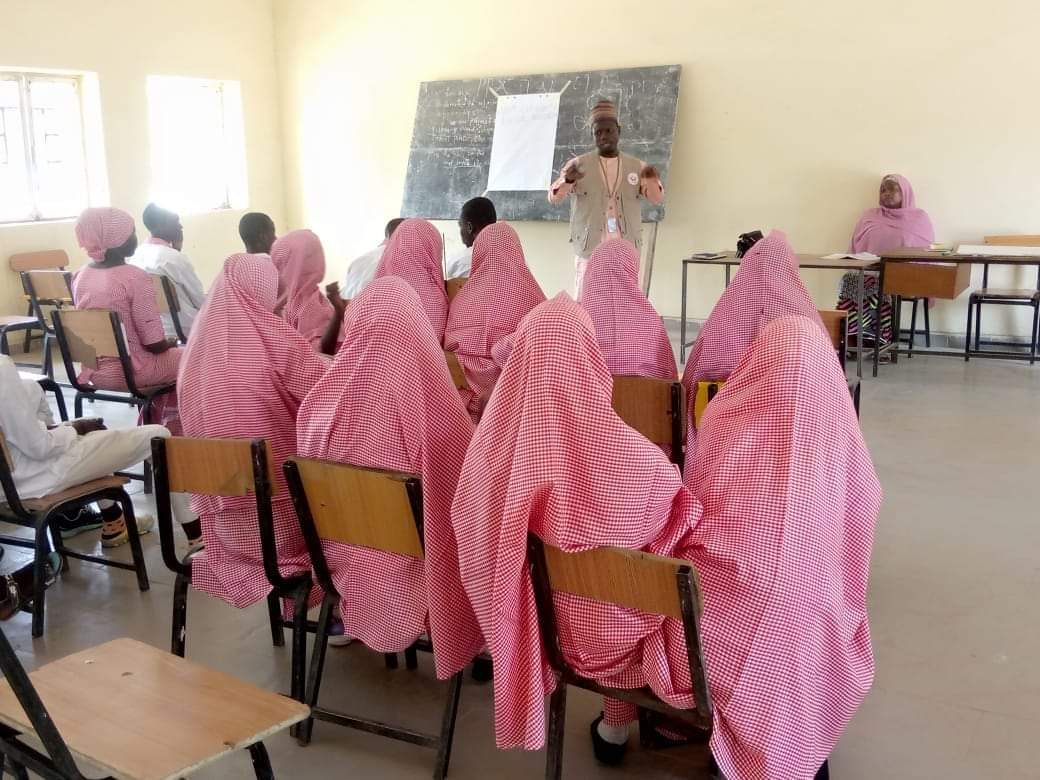
Quality education as a fundamental human right, building the skills, capacity and confidence of young people.
Working with communities to build entrepreneurship skills and financial literacy to combat poverty.
Community-Based Nutrition Programmes (CBNP) for sustainable socioeconomic development.
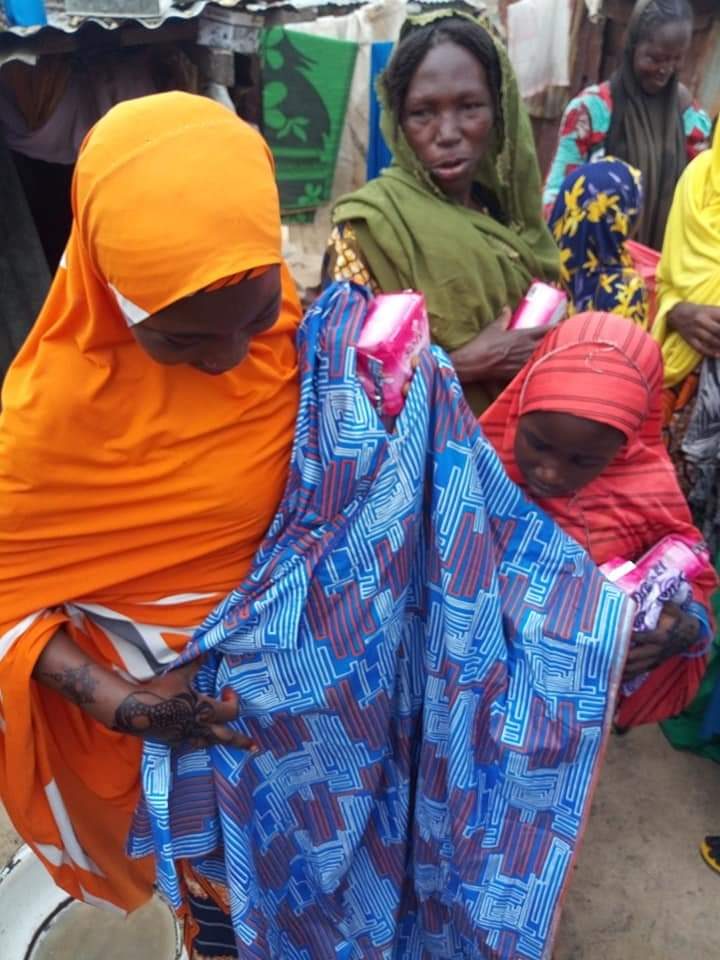
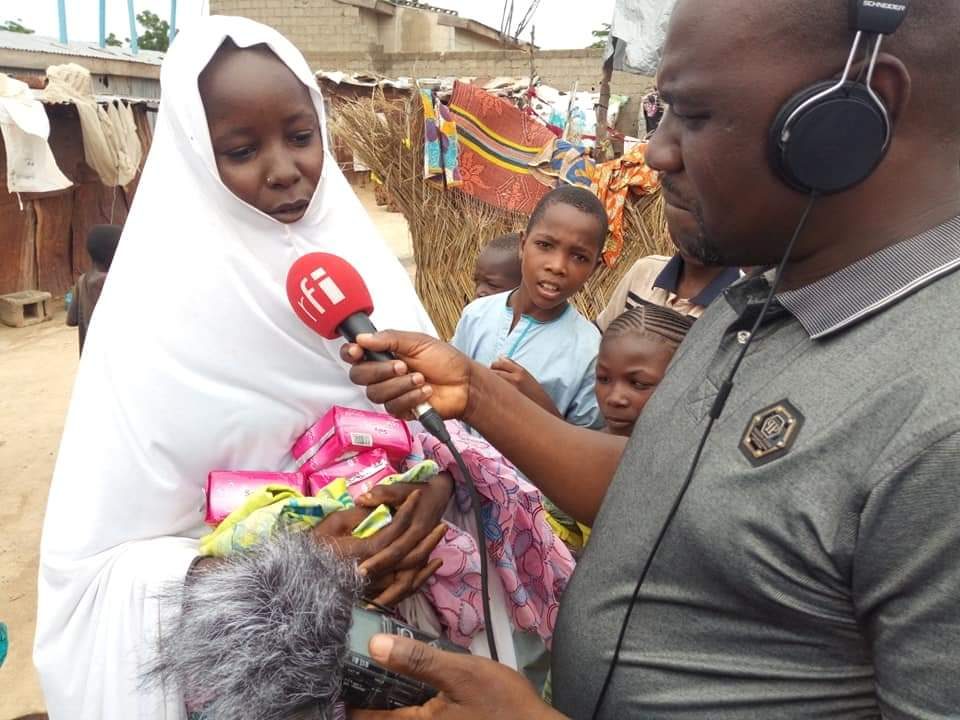
Providing access to safe drinking water and promoting hygiene for healthier, more stable communities.
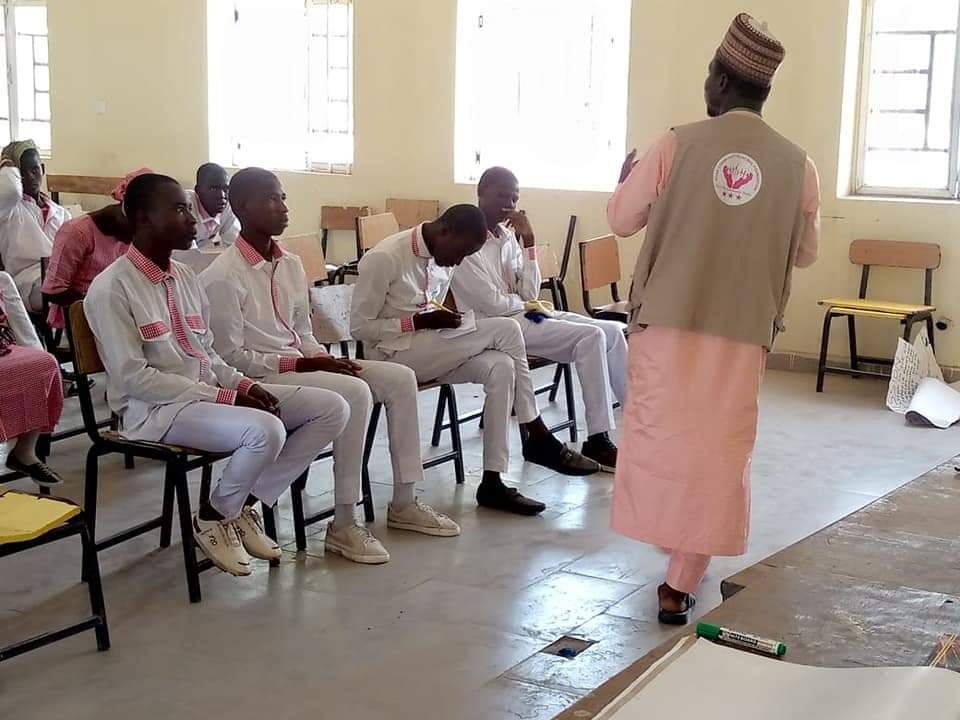
We collaboratively strengthen local communities by creating platforms for sensitisation, awareness raising and dialogue, enabling informed decisions, and rebuilding the capacities of citizens through innovative transformation activities.
We continuously assess changes in the context and monitor conflict dynamics linked to dialogue and reintegration efforts in the North-East.
We build relationships with stakeholders and keep consistent communication, so that dialogue and reintegration processes meet fewer obstacles.
We strengthen the knowledge and skills of stakeholders to address the social and economic challenges their communities face.
We learn from others’ experience and share information and coordinate with relevant actors.
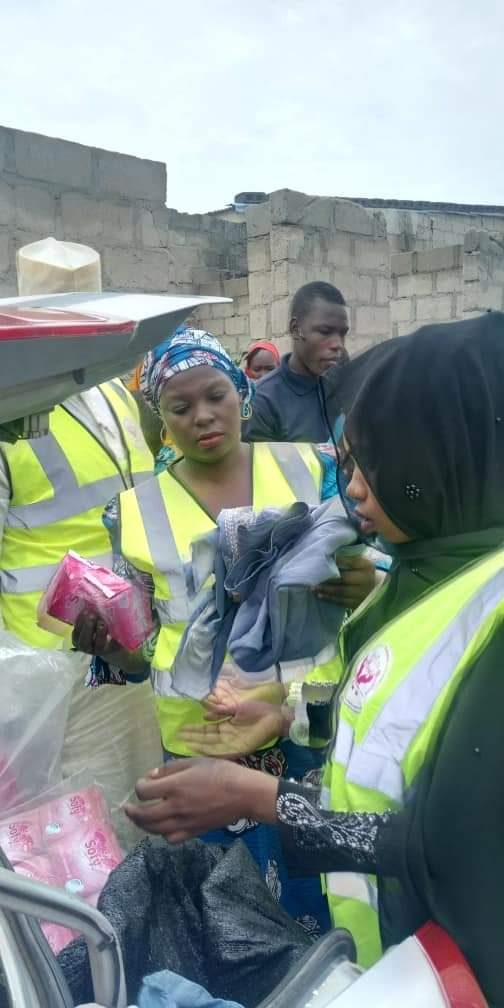
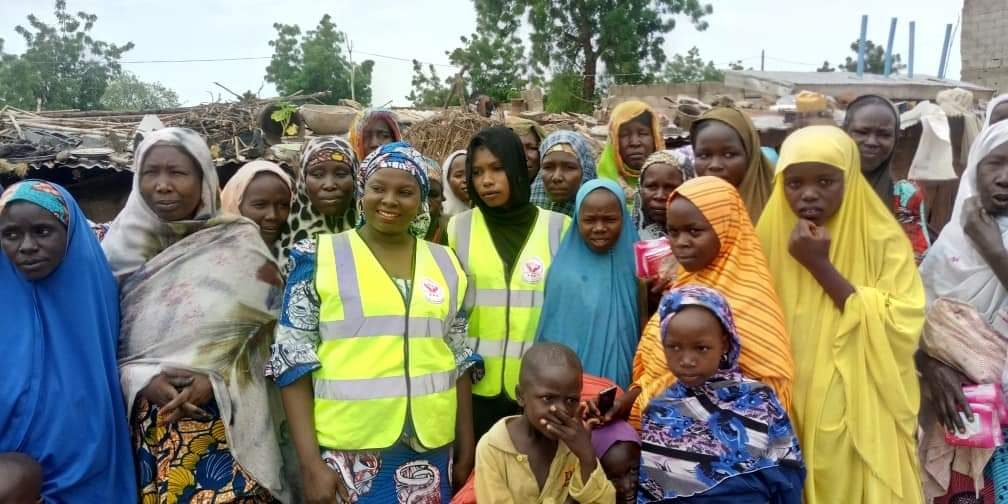
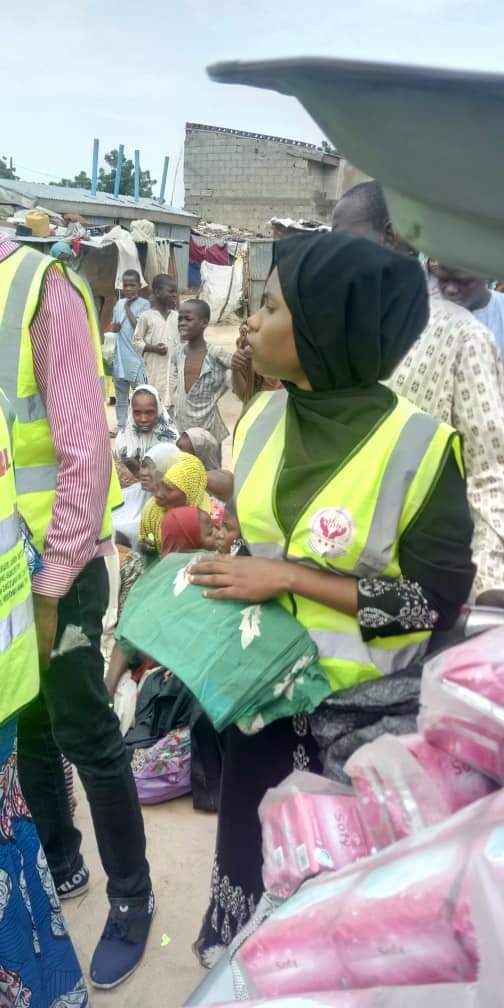
We work directly with people affected by conflict and disasters to find long-term solutions.
We collaborate with those striving for peace and development to strengthen our collective voice, built on trust.
We shape policies and practices to reduce violence and prevent conflict by addressing root causes and influencing structural change.
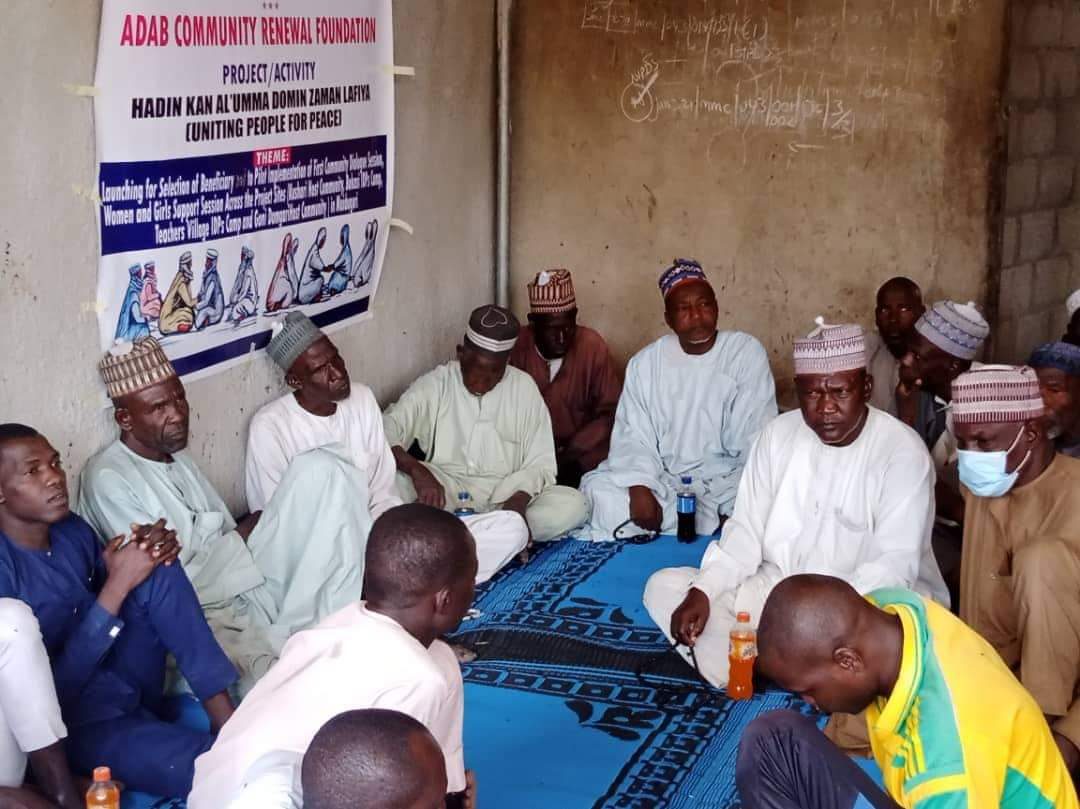
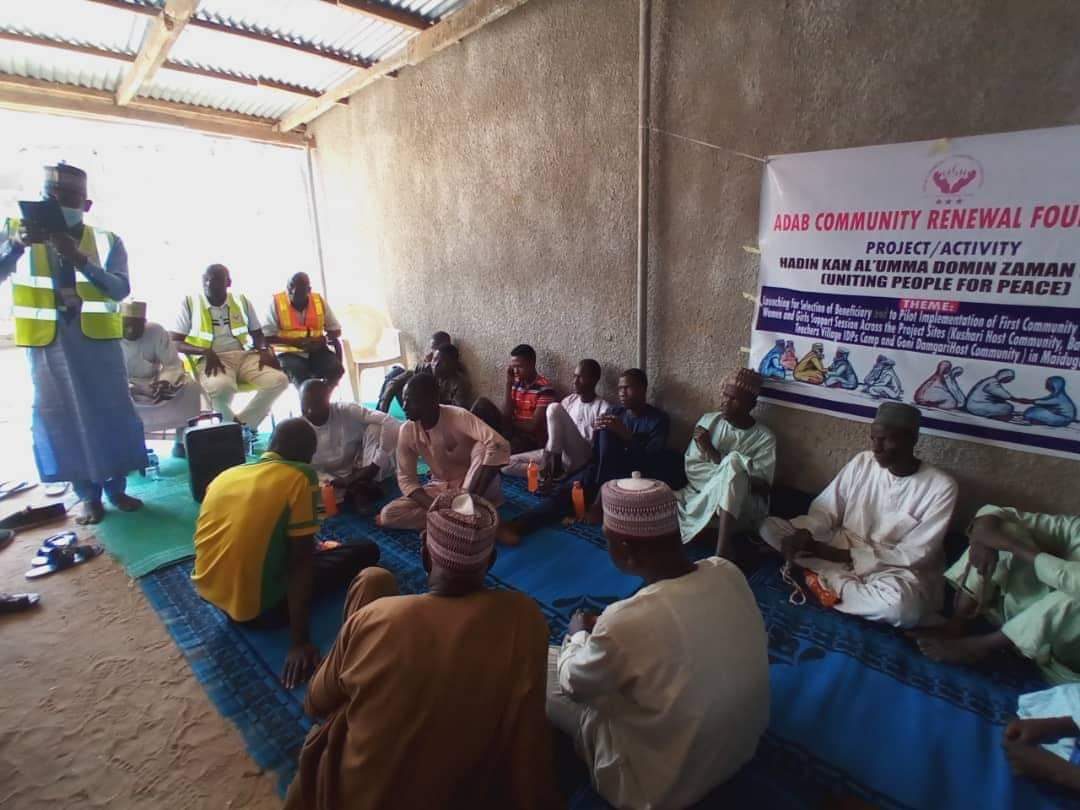
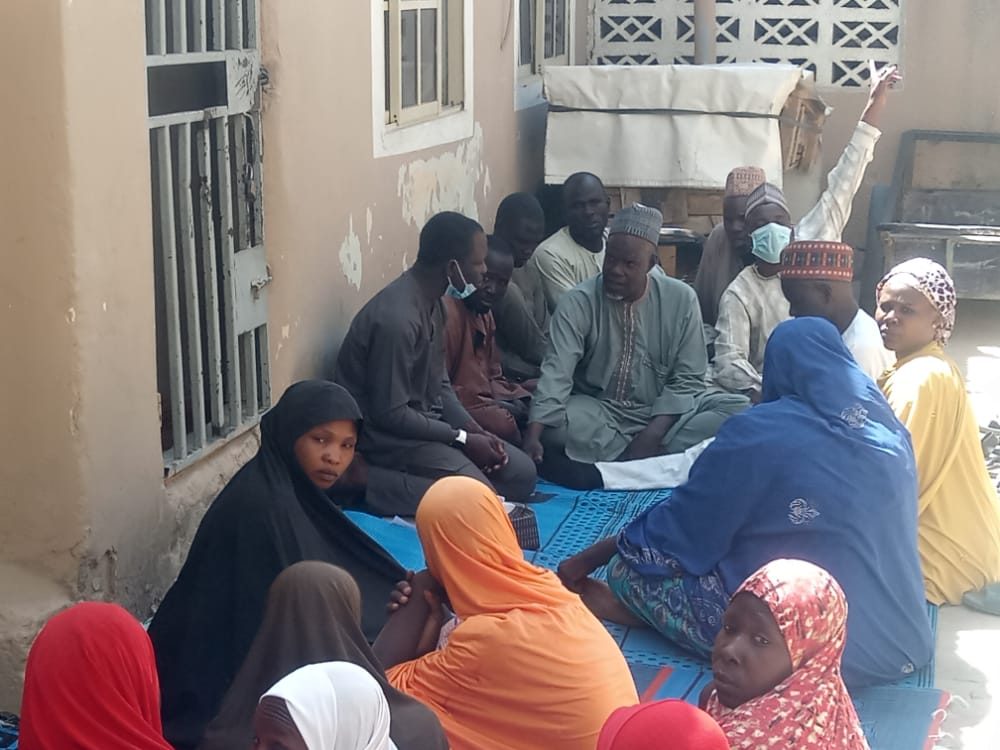
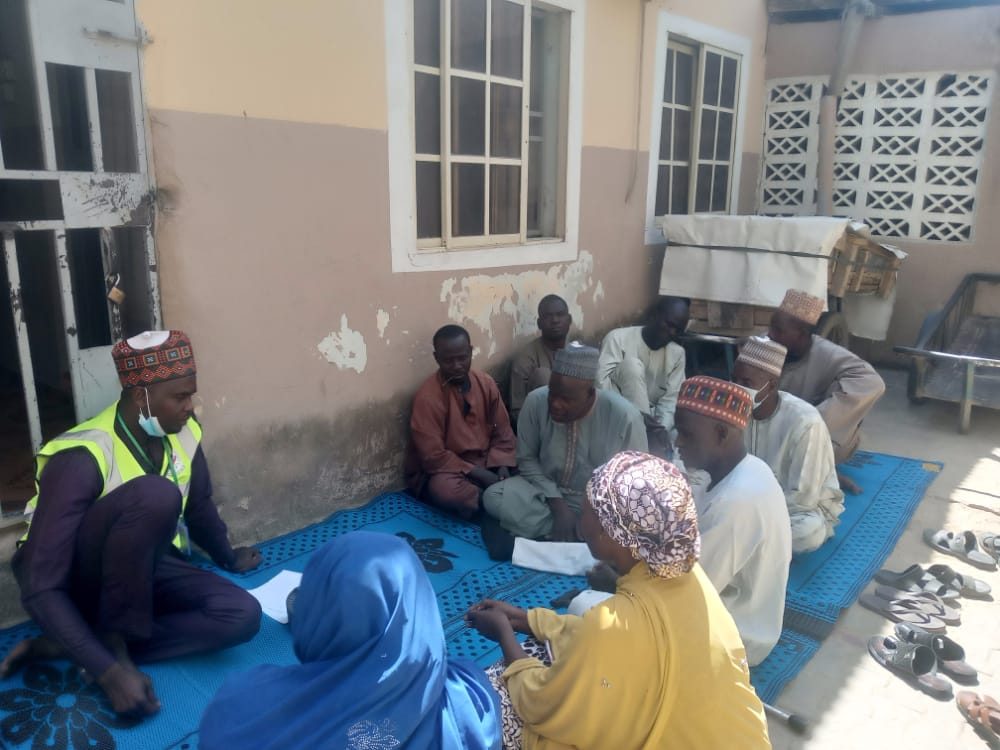
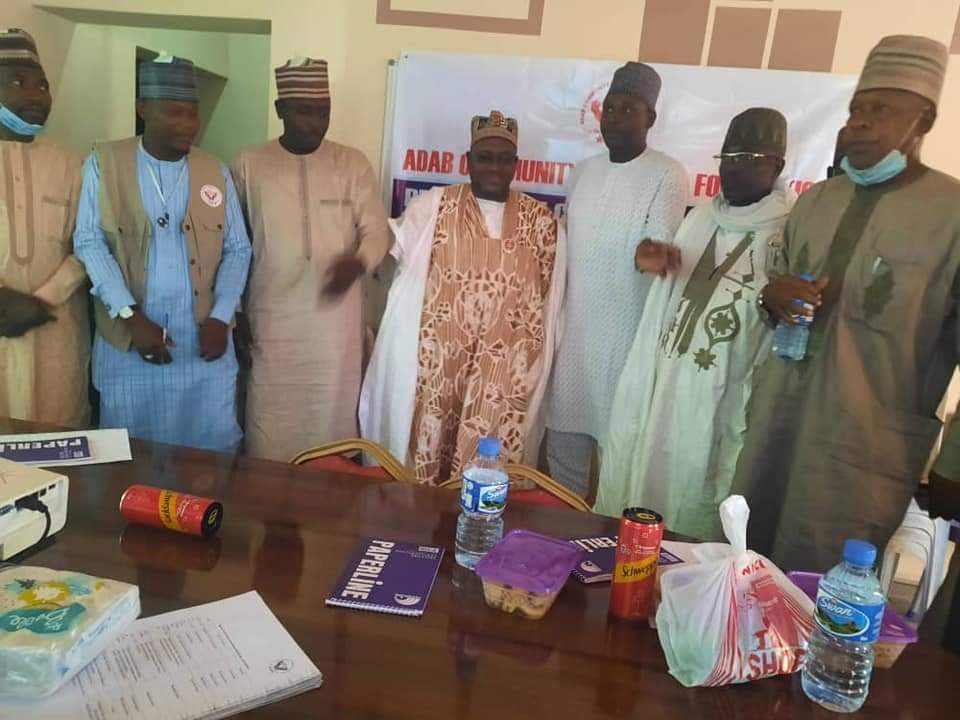
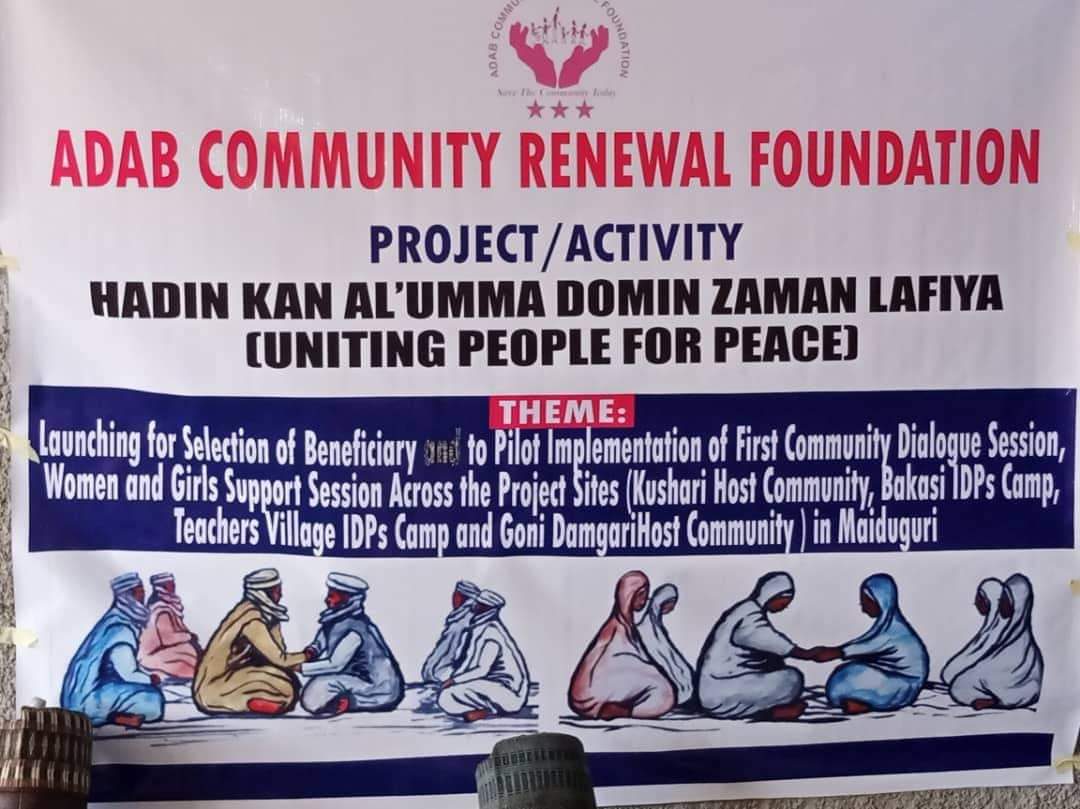
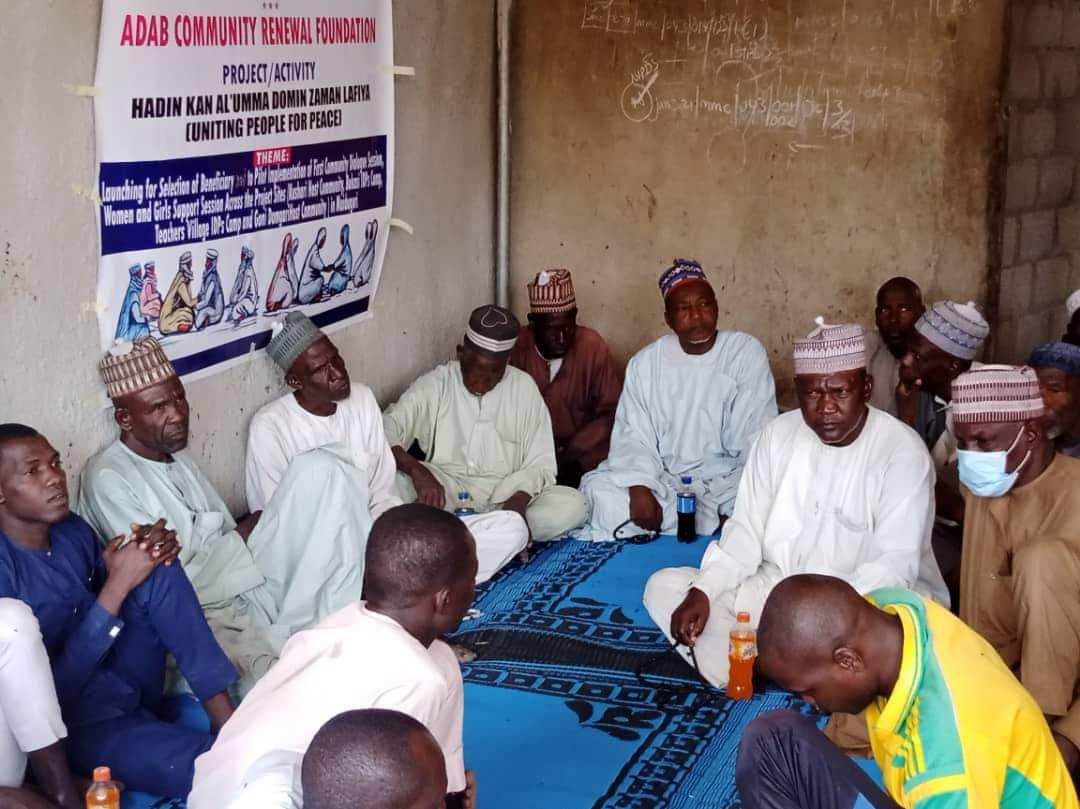
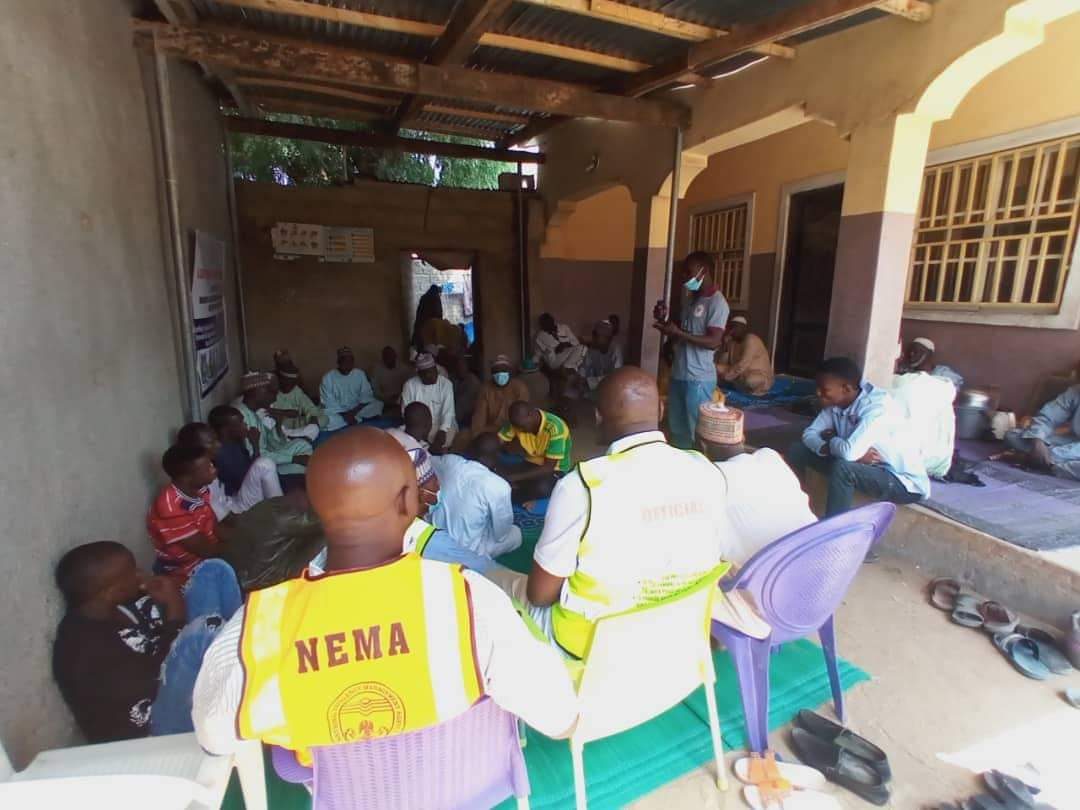
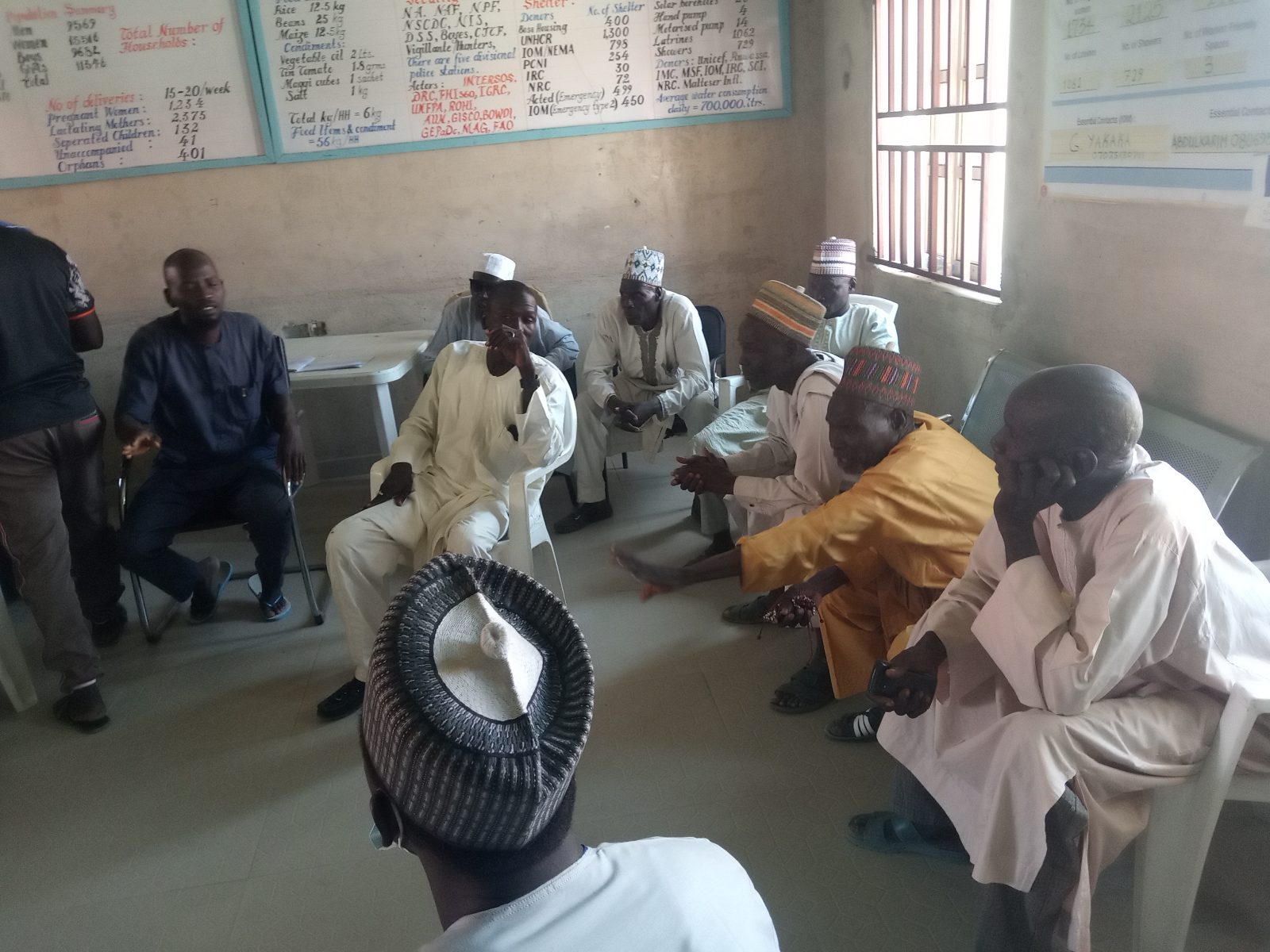
We use dialogue to address challenges, create alliances and identify joint solutions through collaborative action.
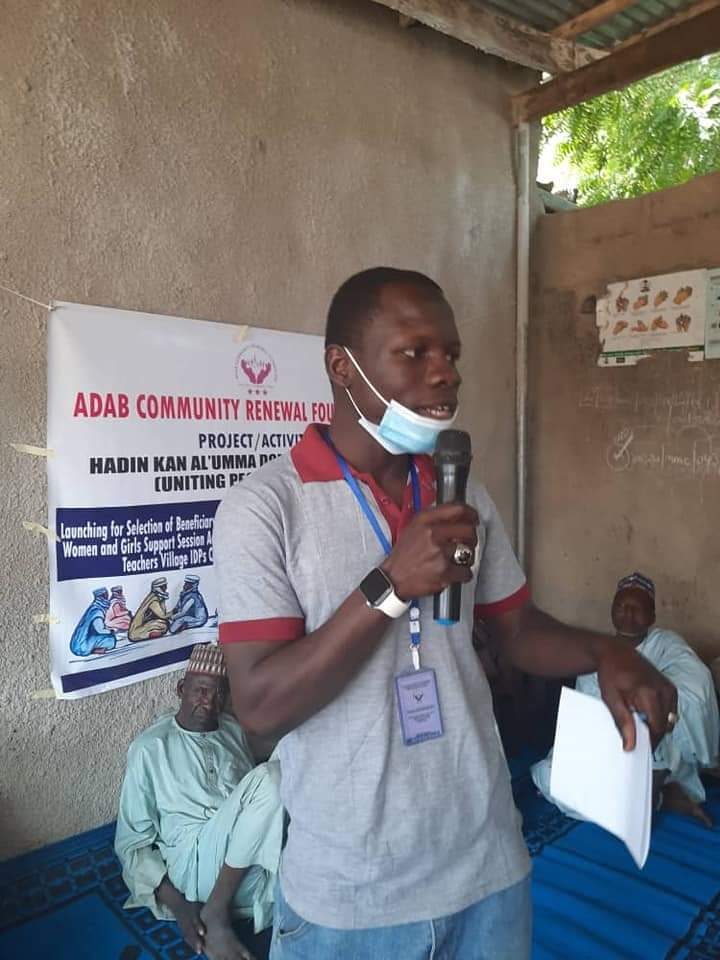
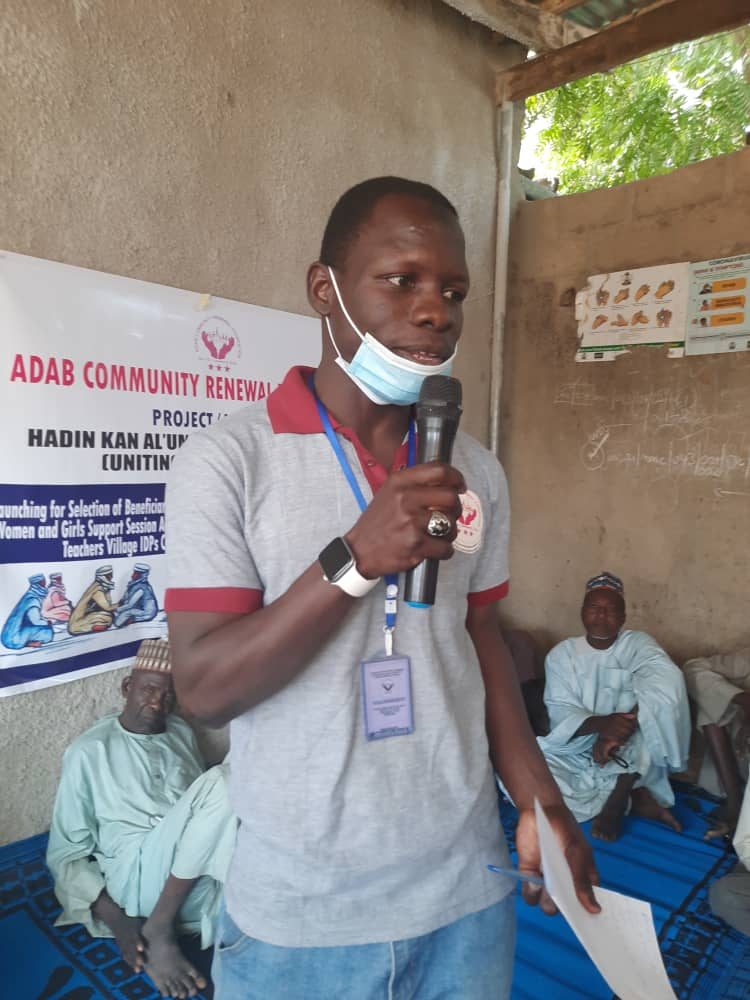
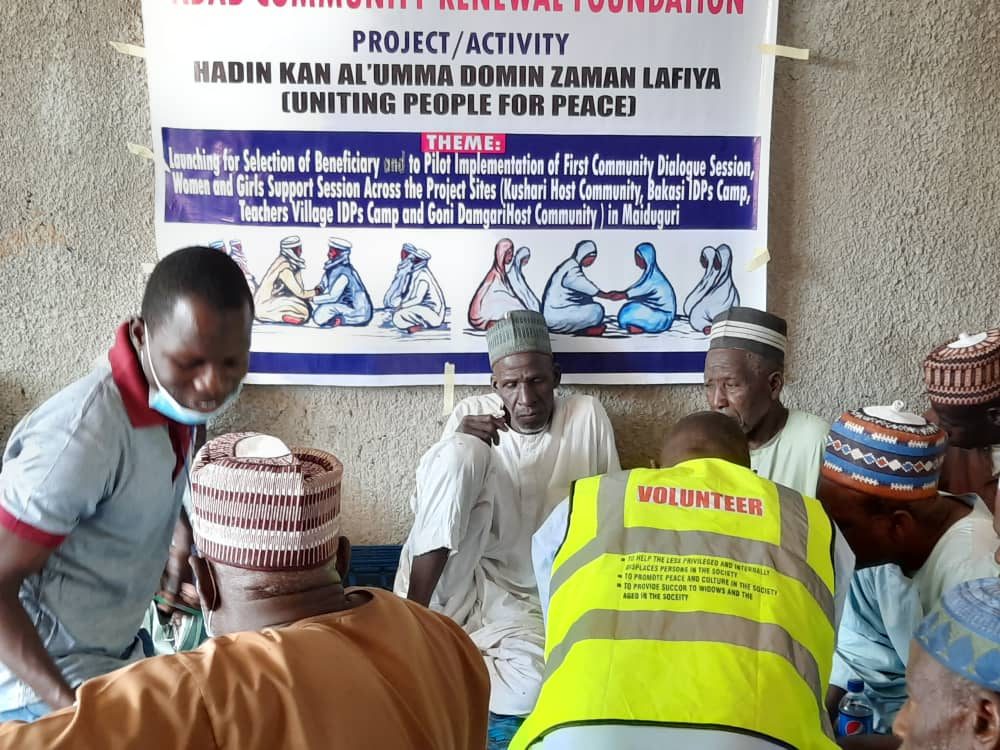
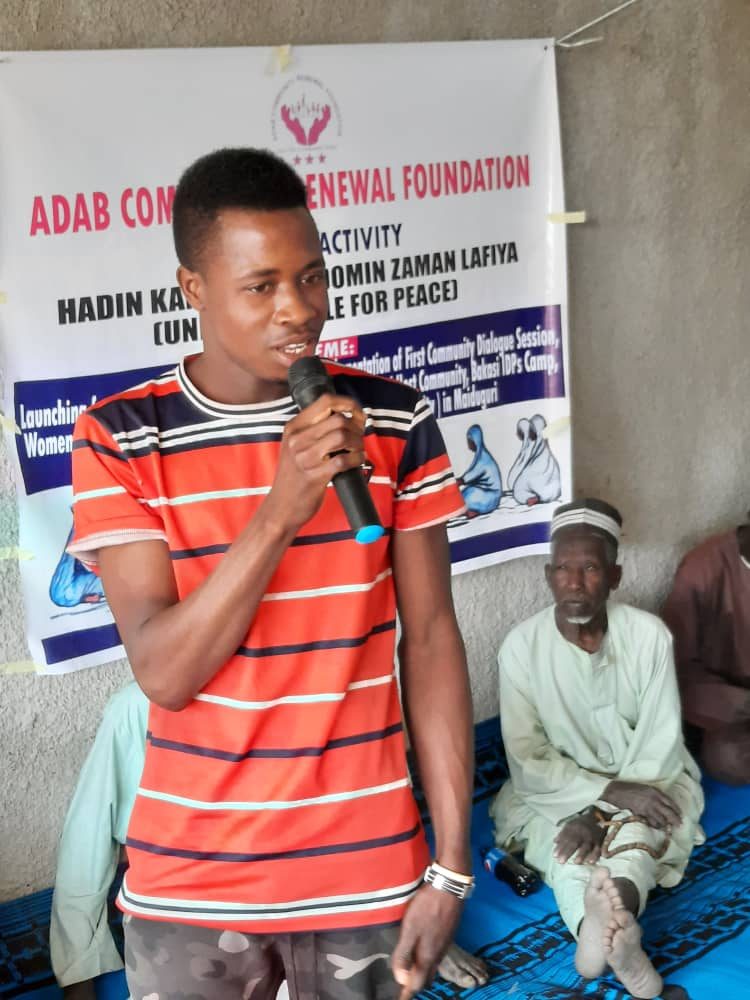
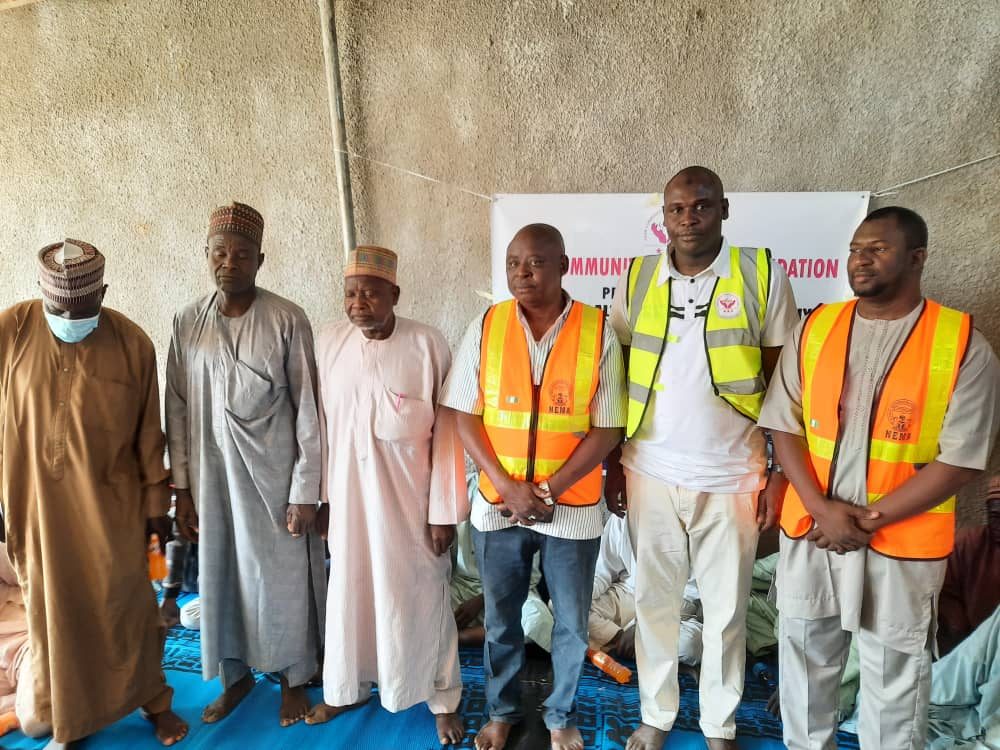
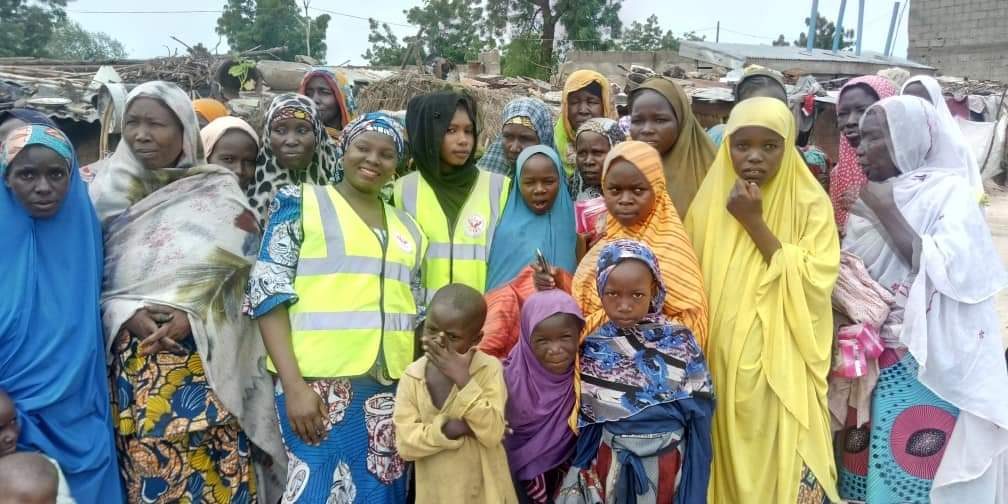
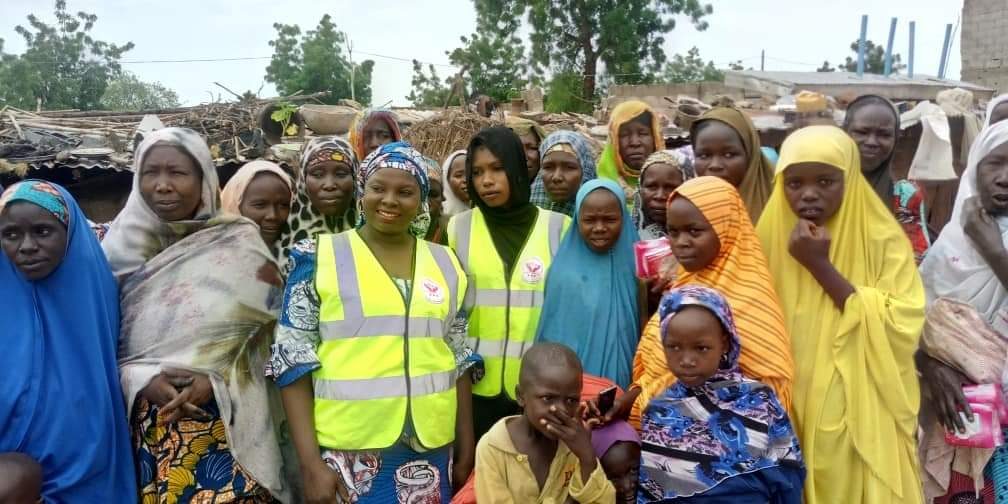
Working with conflict-affected communities in Borno State to reduce conflict triggers, support survivors of gender-based violence, restore livelihoods and build non-violent ways of resolving disputes.
Women and girl survivors feel more valued and have a renewed sense of hope for their futures.
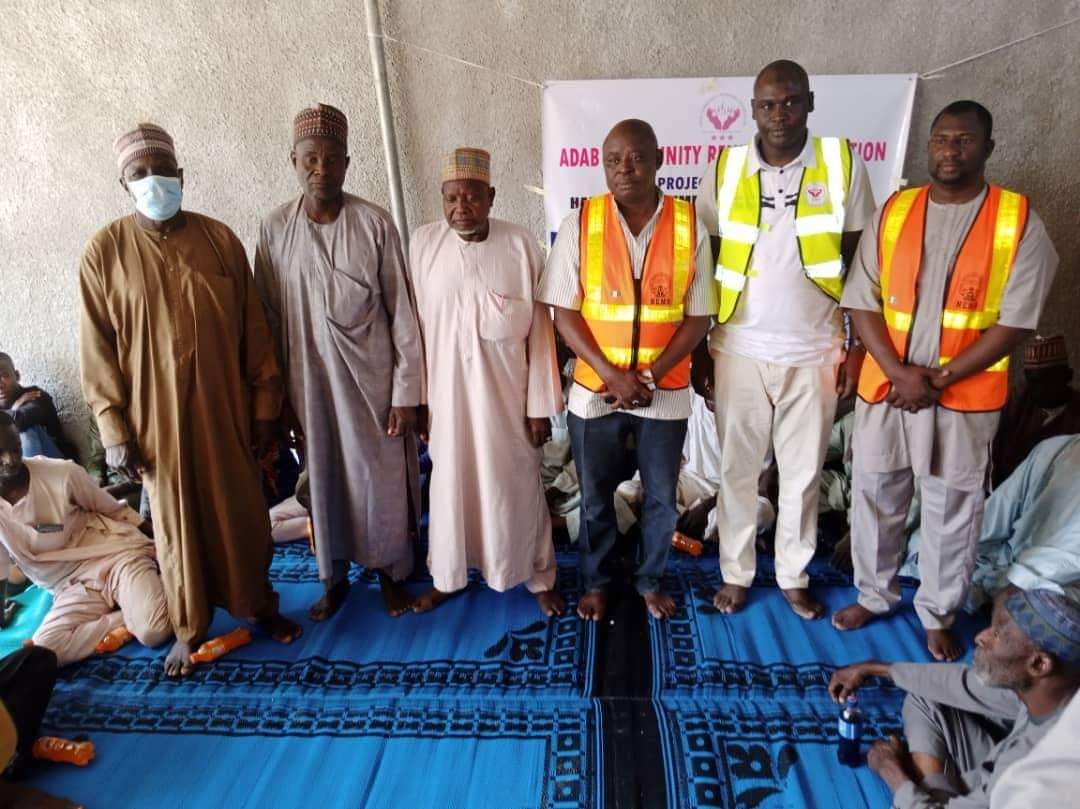
Communities proactively use dialogue to analyse and decide on conflict issues.
Leaders and members jointly resolve conflicts related to reintegration.
Small-scale empowerment gave survivors and returnees a source of income.
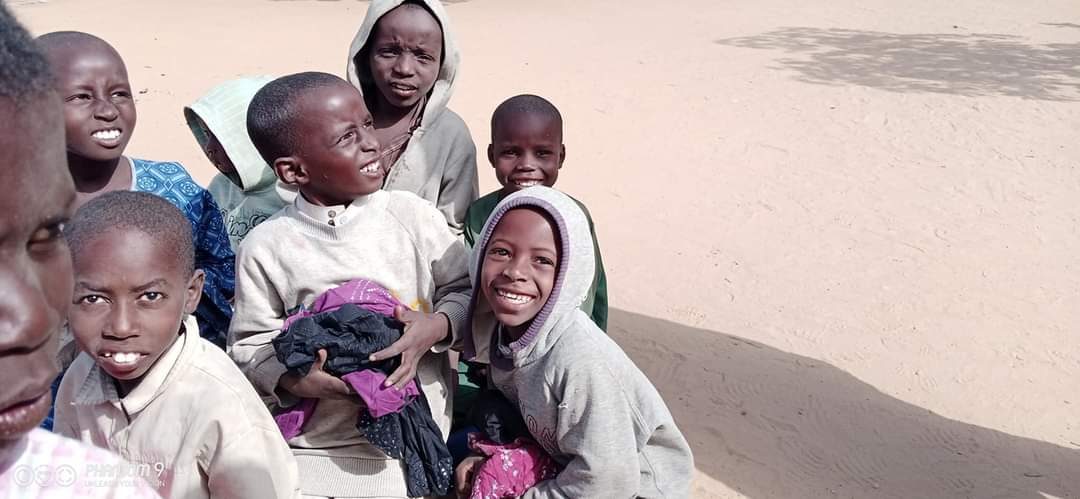
Structured recreation helps children regain normalcy and reduces PTSD.
Reduced land disputes, forced eviction and extortion of displaced people.
Members interact positively and social norms addressing GBV and SEA are changing.
Greater empathy and increased humanitarian support within communities.
Families have welcomed survivors home; some now volunteer as counselling reference points.
Dialogues led to concrete action, including access to basic services.
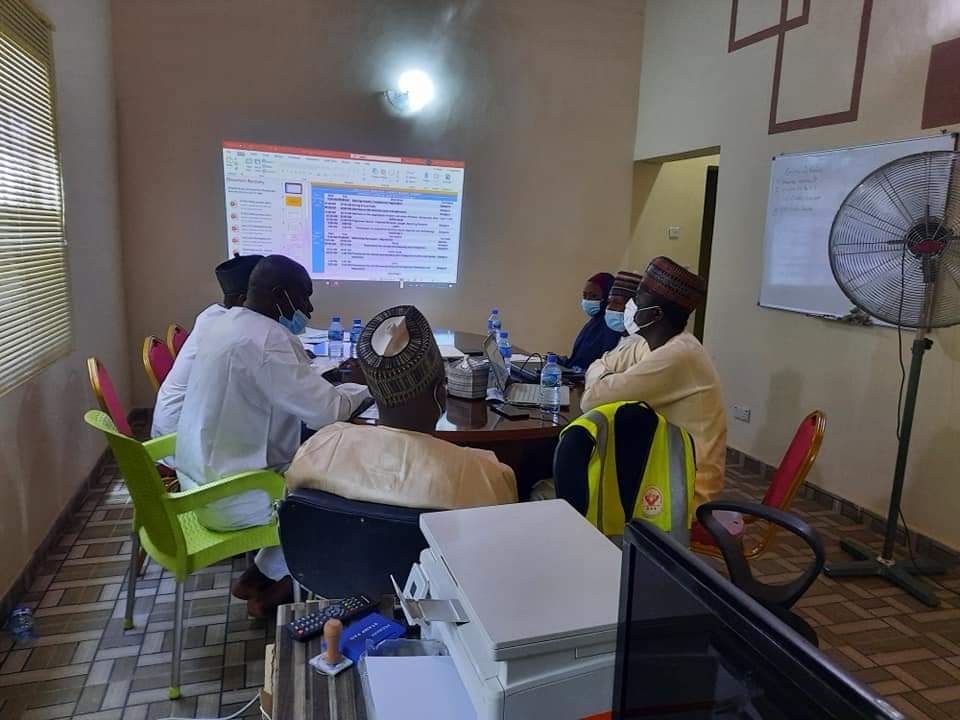
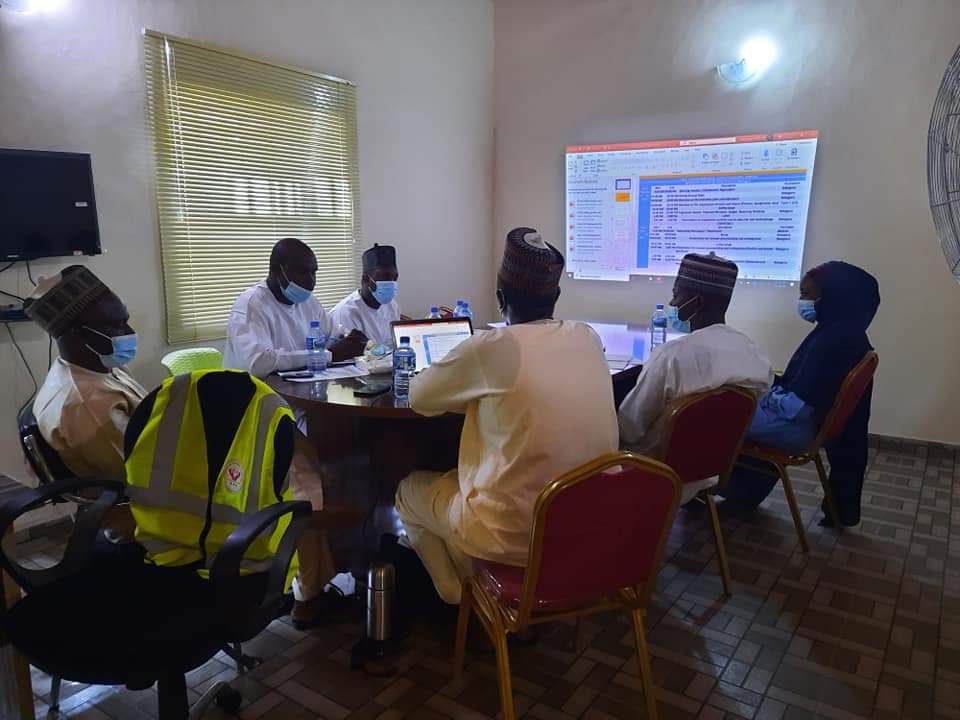
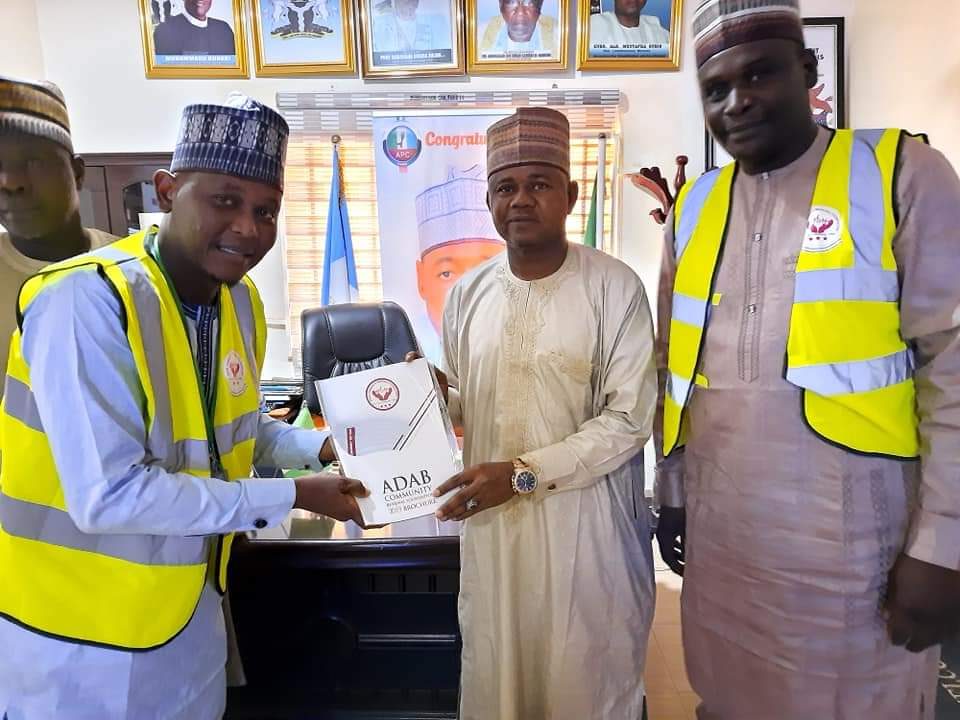
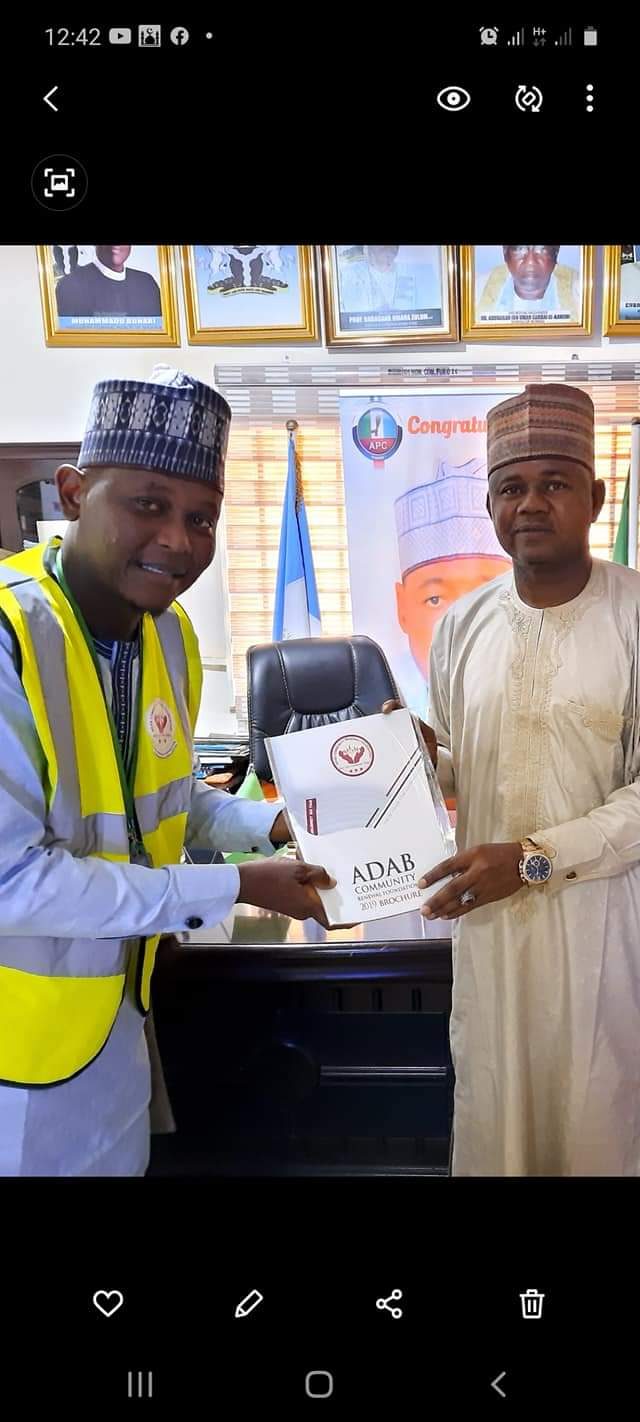
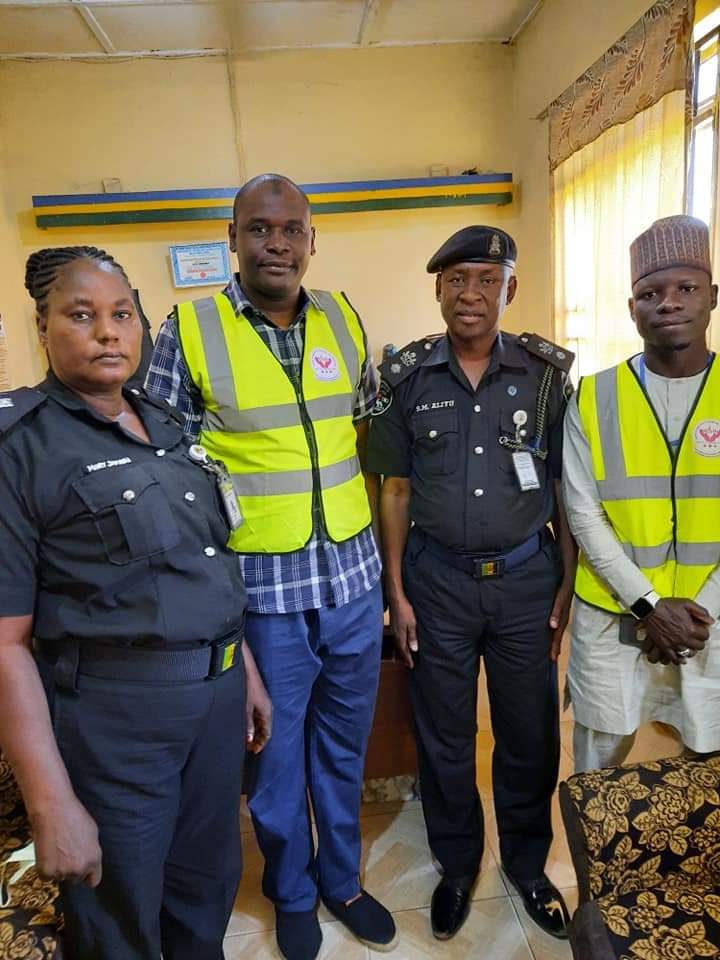
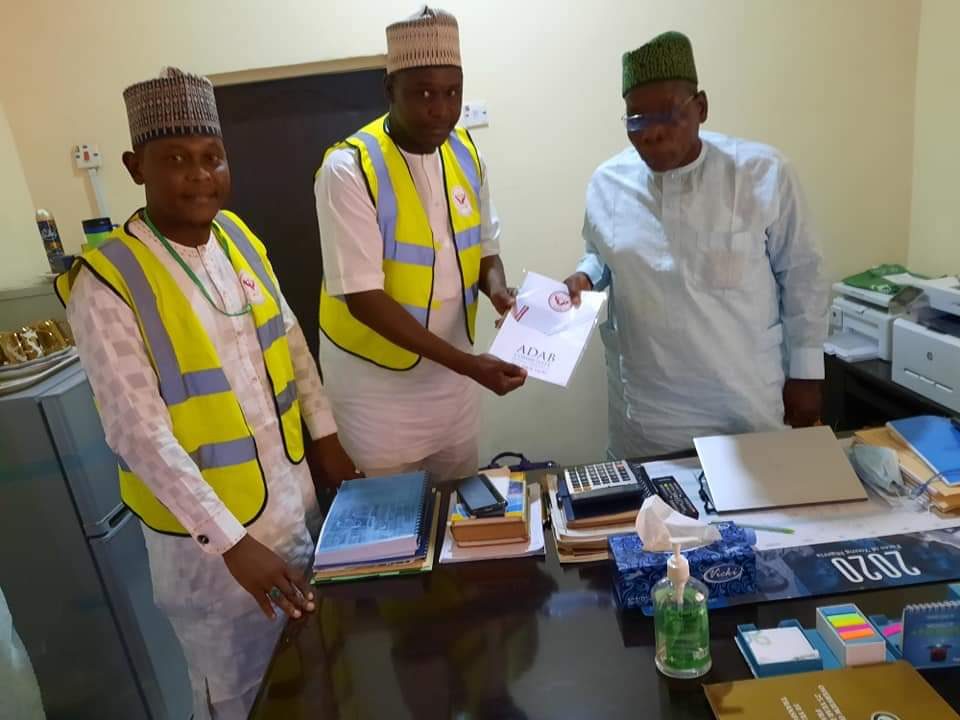
Our governance framework is made up of the policies listed below.